The blog helps Delhi NCR homeowners choose the right window design by covering window types (sliding, casement, bay, French, skylight) and styles (box, wooden, village), organized by room and floor level. It includes costs, common mistakes, and a checklist to support the final decision.
Table of Contents
Not sure which window design to pick for your home? You’re not the only one. Local vendors show you two or three catalogue options and call it a day. Online galleries show foreign homes with windows that don’t suit Delhi NCR’s heat, dust, or small plot sizes. So most homeowners just copy whatever the neighbour picked, hoping it works.
This blog walks you through it in simple steps. You’ll learn about window types, box windows, wooden windows, village-style windows, room-wise picks, and a checklist to run through before you finalise anything.
This blog walks you through it in simple steps. You’ll learn about window types, box windows, wooden windows, village-style windows, room-wise picks, and a checklist to run through before you finalise anything.
Which Window Design Works Best for a Modern Home?
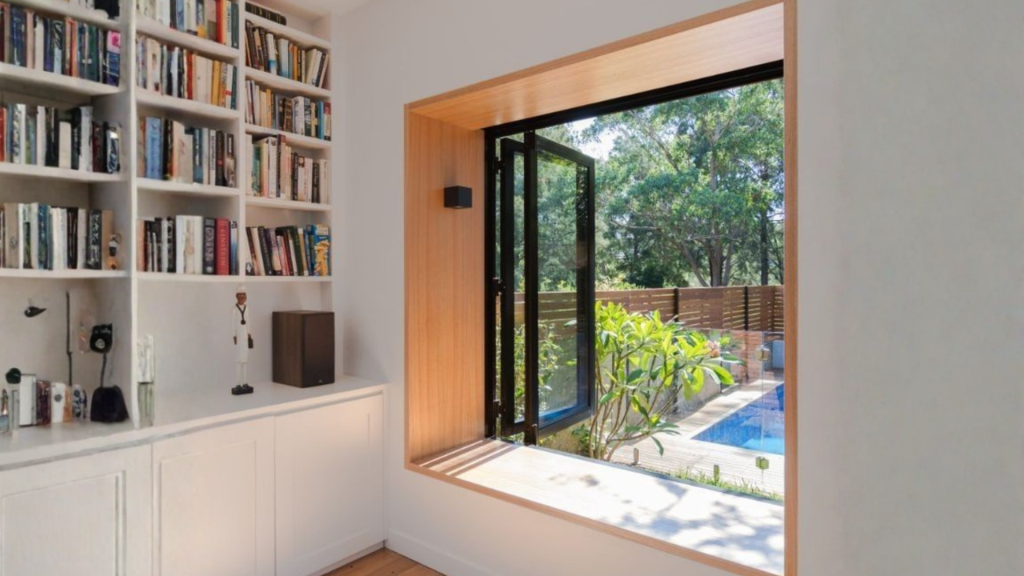
For small plots, choose a box window because it adds depth without using extra floor space. For larger homes, wooden windows provide better daily ventilation. For open, airy plots, a village-style window keeps air flowing without an added cost.
- Box window: Best for compact flats, costs more than a flush window, gives extra sill space
- Wooden window: Best for bungalows and independent floors, needs upkeep every 2–3 years
- Village-style window: Best for open plots with cross-ventilation, low material cost
6 Types of Windows Based on How They Open
Before you pick a look, pick how the window should open. This decides how much air you get, how much space it takes, and how easy it is to clean.
1. Sliding Windows
Sliding windows are the most common pick for Indian apartments. They slide left or right on a track, so you don’t need extra swing space outside. They work well for balconies, kitchens, and small bedrooms where the wall space is tight.
2. Casement Windows
Casement windows open outward like a door, hinged on one side. They give you a wider, cleaner opening for airflow than a sliding window of the same size. Kitchens and bathrooms use casement windows often since they let out steam and smoke fast.
3. Bay and Bow Windows
A bay window juts out from the wall in an angled shape, usually with three panels. It’s different from a box window, since a bay window gives you a small seating ledge, not just a display shelf. Bow windows use more curved panels and work well in a living room or a reading corner.
4. Louvered Windows
Louvered windows use narrow, slanted glass or wooden slats that you can tilt open or shut. They give you constant airflow even when closed halfway, which makes them a good fit for bathrooms, staircases, and utility areas.
5. French Windows
French windows run from floor to ceiling and open like double doors. Homeowners use them for balconies and terraces, since they let in a lot of light and give an open, connected feel between the room and the outside.
6. Skylight Windows
Skylight windows sit on the roof instead of a wall. They work best for top-floor rooms, staircases, or attic spaces that don’t have wall space for a regular window. They bring in daylight from above, which helps rooms that don’t face the sun directly.
Modern Window Design Ideas for Home Exterior
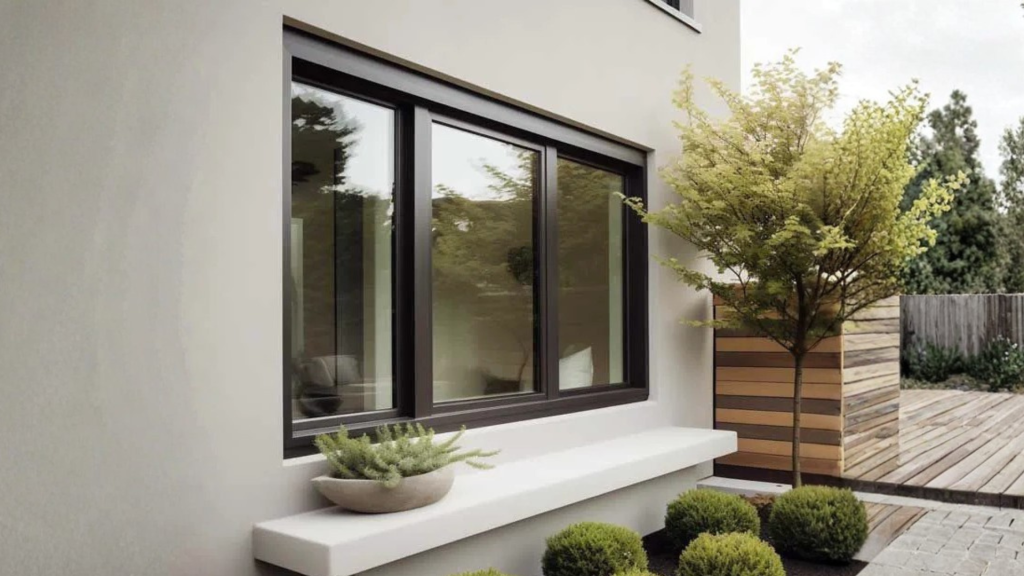
Your exterior windows set the first impression of your house. They also decide how much heat and dust gets into your rooms through the day.
1. Modern Window Design Outside — Indian Style
Most Indian homes combine large glass panels with a slim metal or wood frame outside. This keeps your facade looking clean and lets in daylight past minimal framing. If you are in Delhi NCR, a shaded overhang above west-facing windows helps cut direct afternoon heat.
2. Window Design Trends for 2026
For 2026, more homeowners are asking for combination windows. One fixed glass panel next to one openable shutter. You get daylight through the fixed panel and airflow through the shutter, and you skip a full sliding or casement setup on every window.
Your material choice affects durability more than the design itself.
- uPVC: resists Delhi’s dust and heat, low upkeep, mid-range cost
- Aluminium: strong, slim frames, needs a powder coating to avoid corrosion
- Wood: best insulation, needs repolishing, higher long-term cost
Box Window Design for Modern Homes
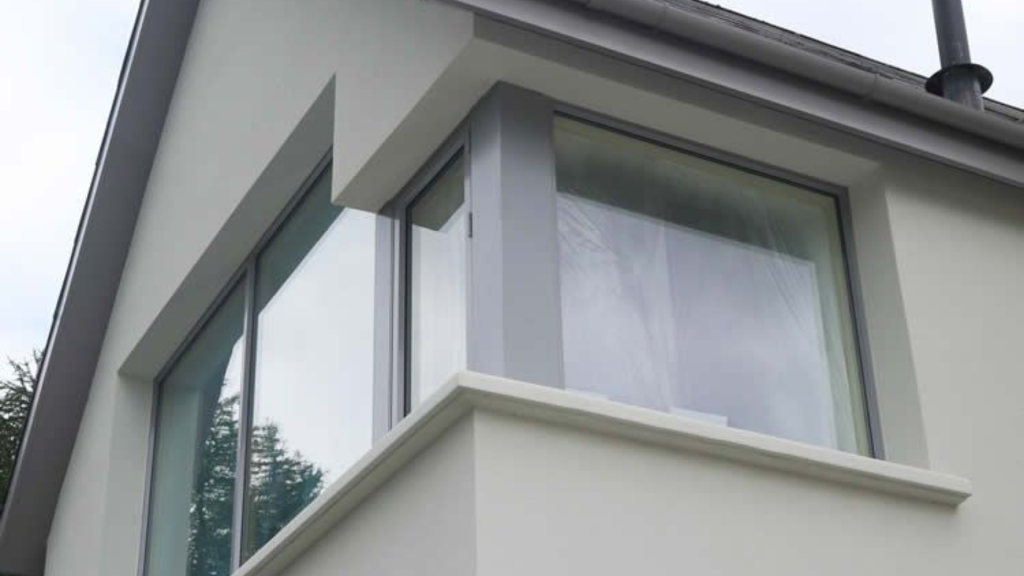
A box window sticks out from the main wall of your home, creating a small, box-shaped projection. That small projection gives you a ledge inside the room perfect for plants, a reading nook, or just extra storage. In a small flat, this little ledge can end up being the only extra space you get.
1. Modern Box Window Design Outside
From the outside, a box window looks like a shallow cube fixed to your facade. Builders in Greater Noida and Gurugram usually pair it with aluminium or uPVC frames, since these hold up better against the sun than untreated wood. Glass panels on three sides bring in more daylight than a flat window of the same width.
2. Box Window Design for Rooms
You’ll typically see box windows in the kitchen, used as a mini herb ledge. In the living room, they work as a display shelf. In the bedroom, they double up as a seating spot. Before you install one, check two things, first, the wall’s structural support for the projection, and second, waterproofing at the base ledge. Skipping that waterproofing is the top complaint homeowners raise after the first monsoon.
A mid-size box window in Delhi NCR usually costs 20–30% more than a standard window, mostly because of the extra framing and glass.
A mid-size box window in Delhi NCR usually costs 20–30% more than a standard window, mostly because of the extra framing and glass.
Things to Know Before Choosing Wooden Windows
Wood gives strong insulation and a natural finish, but it needs regular upkeep. Teak resists termites and moisture better than sal wood, though it costs nearly double.
Here’s what you need to plan for with wooden windows:
Cost check: a mid-size teak window in Delhi NCR typically costs 15–25% more than a comparable uPVC window, but it lasts longer with proper maintenance.
Here’s what you need to plan for with wooden windows:
- Repolish every 2–3 years to stop cracking
- Check hinges and locks every year before the monsoon
- Apply termite treatment during installation, not after
Cost check: a mid-size teak window in Delhi NCR typically costs 15–25% more than a comparable uPVC window, but it lasts longer with proper maintenance.
Window Design Ideas for Village and Traditional Indian Homes
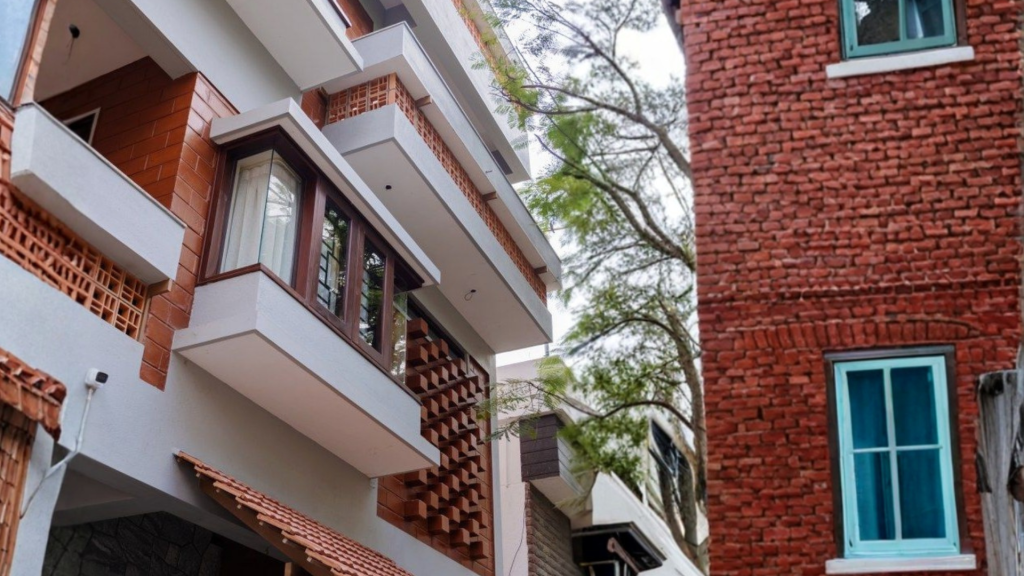
If your house sits in a semi-urban or rural part of Delhi NCR, you’ll still see a lot of homes going traditional built for airflow.
1. Village Window Design
A traditional village window uses a simple wood or iron frame with vertical grilles. Many skip glass panels entirely and rely on wooden shutters instead. It costs far less than a glazed window and works well if you’re not planning on air conditioning.
2. House Front Window Design
Front-facing windows in traditional homes often carry decorative grilles or jali patterns. These block direct sun and still let air pass through, which keeps your indoor temperature lower in summer, no mechanical cooling needed.
3 Trending Window Design Ideas Room by Room
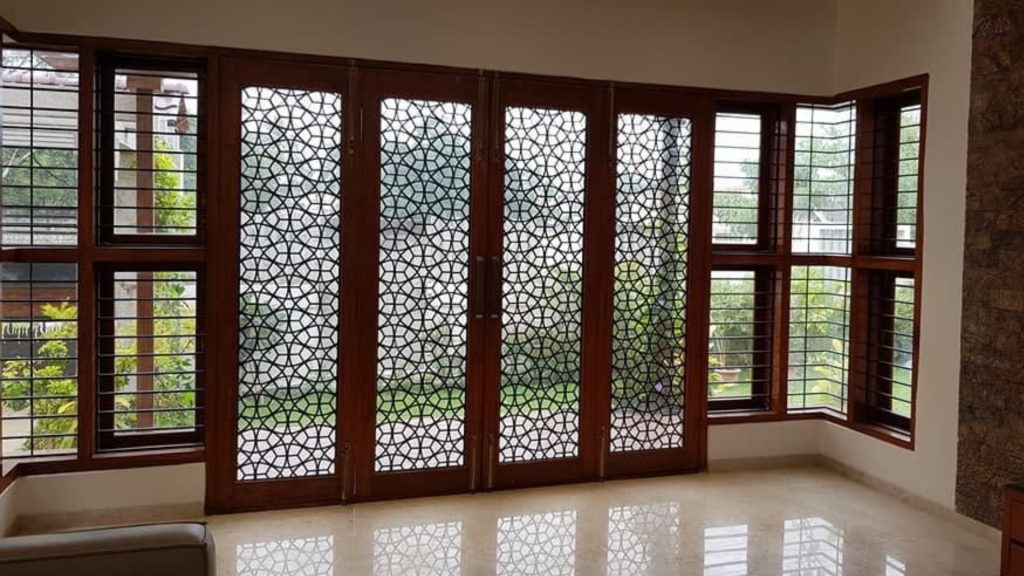
Every room in your home needs a different mix of ventilation and privacy. Match the window type to the room, and you’ll skip a costly redesign later.
1. Living Room and Drawing Room Window Design
Your living room needs the largest window openings in the house, since you spend most of the day there. A sliding or casement window with large glass panels works well here. You can pair it with light curtains, not heavy drapes that block airflow.
2. Bedroom & Bathroom Window Design
Keep your bedroom windows away from direct street view, or fit them with frosted glass for privacy. Bathrooms need a smaller window, placed high on the wall, with obscure or frosted glass and a corrosion-resistant frame to handle daily moisture.
3. Hall Window Design
Your hall gets the most foot traffic in the house, so it needs a window that lets in steady daylight without heating the space. A wide sliding or fixed window works well here, paired with a light frame that keeps the entry area looking open.
Which is the Best Glass for Window Design?
Your glass type changes how a window works, not just how it looks. Some let in more light, some protect your privacy, and some help manage heat and noise. Picking the right one depends on which room it’s for and what you need most from it.
- Clear glass: maximum daylight, no privacy
- Frosted glass: partial daylight, full privacy, best for bathrooms
- Double-glazed glass: cuts heat and noise, higher upfront cost
Which is the Best Window Design Ideas by Floor Level
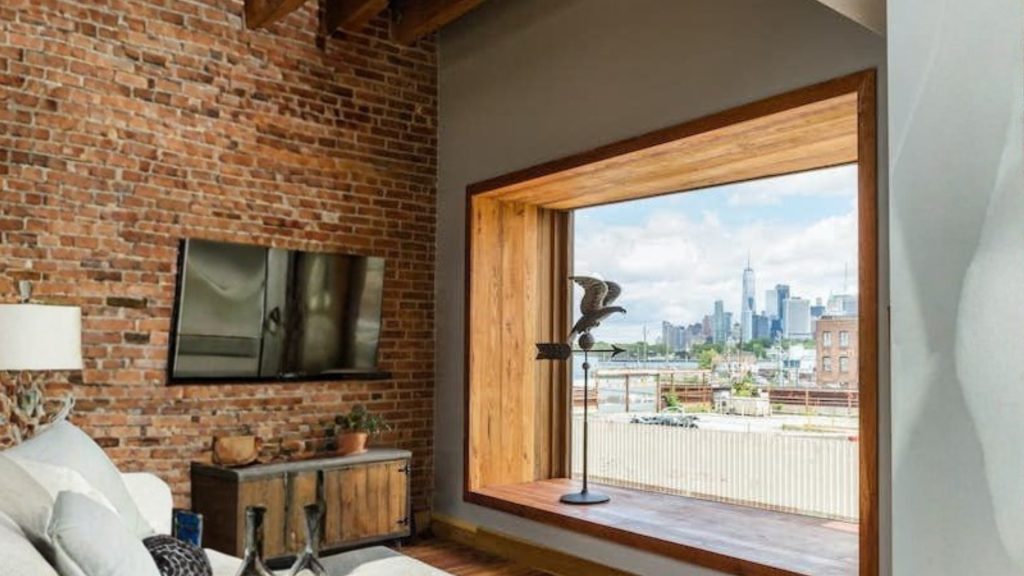
If your home faces a main road, architects in Delhi NCR increasingly recommend double-glazed glass, which handles noise and heat together. Your window needs to change as you move up a building, based on privacy and airflow.
1. Ground Floor Window Design
Ground floor windows need security grilles and privacy screens, since you’re at eye level with the street here. A frosted or tinted glass panel behind the grille gives you privacy and still lets light in.
2. First Floor Window Design
On the first floor, you can go bigger with your openings and use clear glass, since privacy concerns drop with height. This floor benefits the most from cross-ventilation. You can use windows on opposite walls to pull air straight through the room.
Which Common Mistakes Homeowners Make with Window Design?
- Picking a window design before checking the room’s orientation to the sun.
- Ignoring cross-ventilation, which leaves rooms stuffy despite large windows.
- Installing undersized grilles that block airflow more than they protect.
- Skipping waterproofing on box windows, which causes leaks after the first monsoon.
- Picking glass type by look alone, and skipping the privacy check.
- Delaying termite treatment on wooden frames until after installation.
Window Design Checklist Before You Finalise
- Check your room’s sun direction (east, west, north, south).
- List the ventilation needs for each room separately.
- Set a budget range per window, not just for the whole house.
- Confirm the maintenance schedule you can actually commit to.
- Match glass type to the privacy needed for that specific room.
- Ask your vendor for a written warranty on frames and hardware.
- Plan waterproofing details before installation, not after.
Need Help Choosing the Right Windows?
The best window design is simple. Pick one that fits your room’s direction, your ventilation needs, and the upkeep you can actually do. Don’t just pick one because it looks good in a photo. A box window in the wrong place, or a frame you don’t maintain, will cost you more to fix later than it did to install.
Opalspace’s design team can walk you through the right window type, material, and placement for your specific home layout in Delhi NCR. We also complete home interiors. Ready to plan your home the right way? Talk to Opalspace’s design team for a free consultation.
Opalspace’s design team can walk you through the right window type, material, and placement for your specific home layout in Delhi NCR. We also complete home interiors. Ready to plan your home the right way? Talk to Opalspace’s design team for a free consultation.
FAQs
1. What is the best window design for a modern home?
It depends on your room's orientation and ventilation needs. Box windows suit compact flats, wooden windows suit bungalows, and combination windows suit homes that need daylight and airflow together.
2. What is khidki design?
Khidki design is the Hindi term for window design, covering the same styles as box, wooden, sliding, and village window designs used across Indian homes.
3. Which window design suits village or traditional homes?
A simple wood or iron-frame window with vertical grilles suits traditional homes best, since it prioritizes airflow over insulation.
4. What does a box window design cost?
A box window typically costs 20–30% more than a standard flush window of the same size, because of the extra framing and glass panels.
5. Which window design works for small houses?
Combination windows, with one fixed glass panel and one openable shutter, work well for small houses since they balance daylight and airflow in limited wall space.
6. Which type of window is best for a kitchen?
Casement windows work best for kitchens, since they open wide and let out steam and smoke fast.