Kitchen shutters come in six types. Hinge, lift-up, roller, flap-up, self-closing drawers, and soft-close, each suited to different cabinet needs. This blog explains clearance, weight limits, and costs so you can pick the right one for how your kitchen actually gets used.
Table of Contents
Two homeowners in the same Noida society picked different kitchen shutters for near-identical kitchens. One calls their kitchen cabinets a daily headache, hinges creak, the overhead unit bangs shut, drawers stick halfway. The other barely notices their cabinets, because everything opens and closes the way it should.
The gap isn’t the carpenter. It’s the shutter type they picked, and whether it matched how their kitchen actually gets used.
Kitchen shutter choice decides how much daily friction you deal with for the next 10-15 years. Get it wrong, and you’re looking at repairs, banging noises, and cabinets that jam within two years. Get it right, and you barely think about your kitchen cabinets at all.
Why Does the Kitchen Shutter Type Matter More than the Finish?
The kitchen shutter mechanism changes how it works every single day, for the family cooking three meals a day, for kids who slam doors, for anyone reaching an overhead cabinet without a stool. Most people spend hours picking laminate colours and almost no time on the mechanism underneath. That’s backwards. The finish changes how your kitchen looks.
Which Kitchen shutter is best for a modular kitchen?
Here’s what to know about each type before your carpenter or designer draws up the layout.
1. Hinge/Swing Shutters
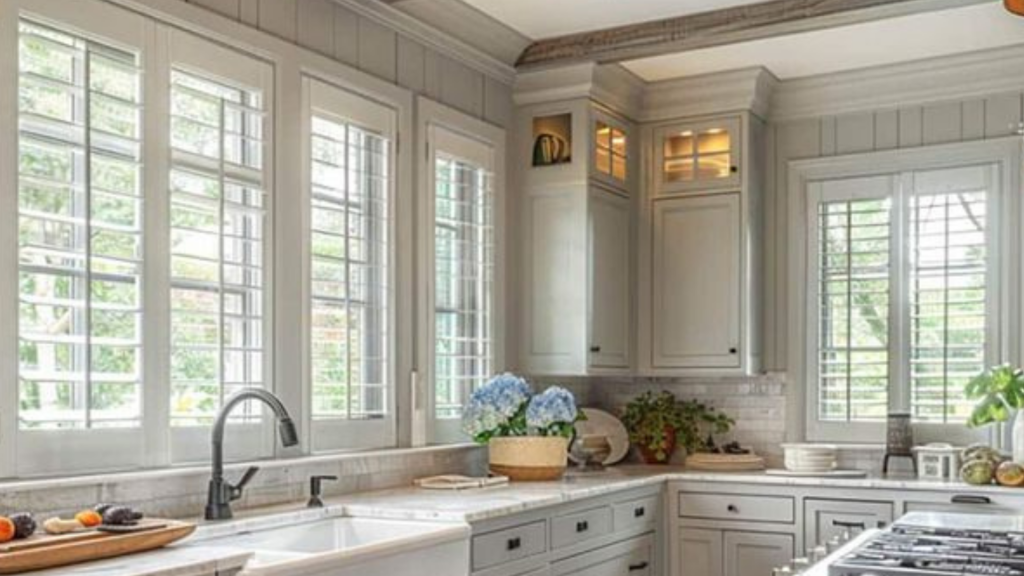
This is the standard swing-open door most Indian kitchens still use. It’s cost-effective and simple to install, which is why it dominates base units and pantry cabinets.
The catch: a swing door needs 600- 700 mm of clearance to open fully. In a narrow galley kitchen, common in 2BHK flats across Noida and Gurugram, that clearance eats into your walking space. If two people cook together, swinging doors on facing units becomes a problem fast.
Pick this for: pantry units, base cabinets away from walkways, kitchens with enough width to spare.
#Real Also: Crockery Units for Your Modular Kitchen
2. Lift-up Shutters
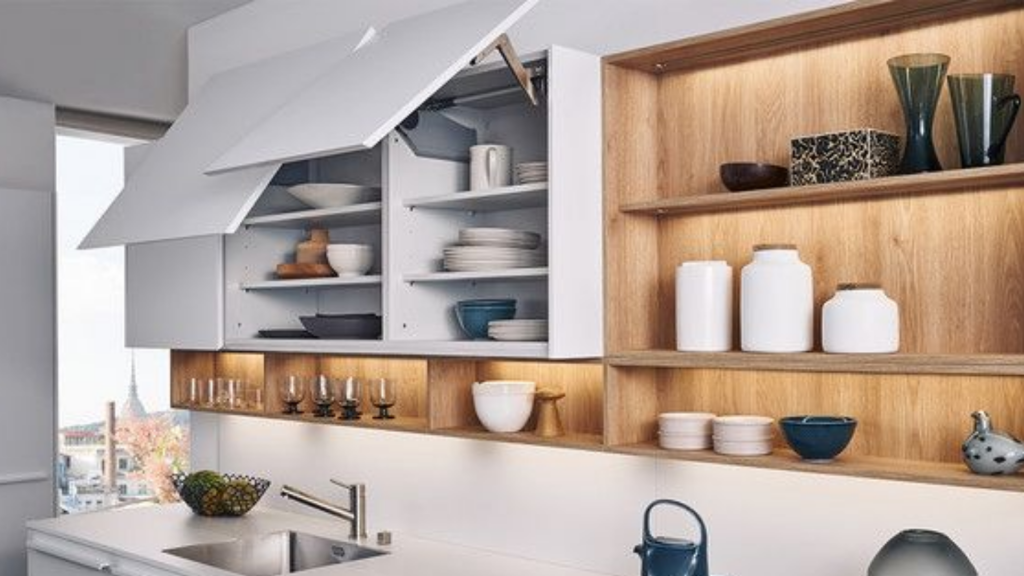
Instead of swinging out, these open upward and sit parallel to the ceiling. Wall-mounted overhead units use this mechanism most.
The advantage is real: no clearance space needed in front, and the cabinet stays out of your way while you reach in. The limit is weight, lift-up mechanisms handle lighter items like spice jars and crockery well, but heavy cookware strains the hinge over time.
Pick this for: overhead units, wall cabinets in compact kitchens, anywhere floor-level clearance is tight.
3. Soft-close Mechanism
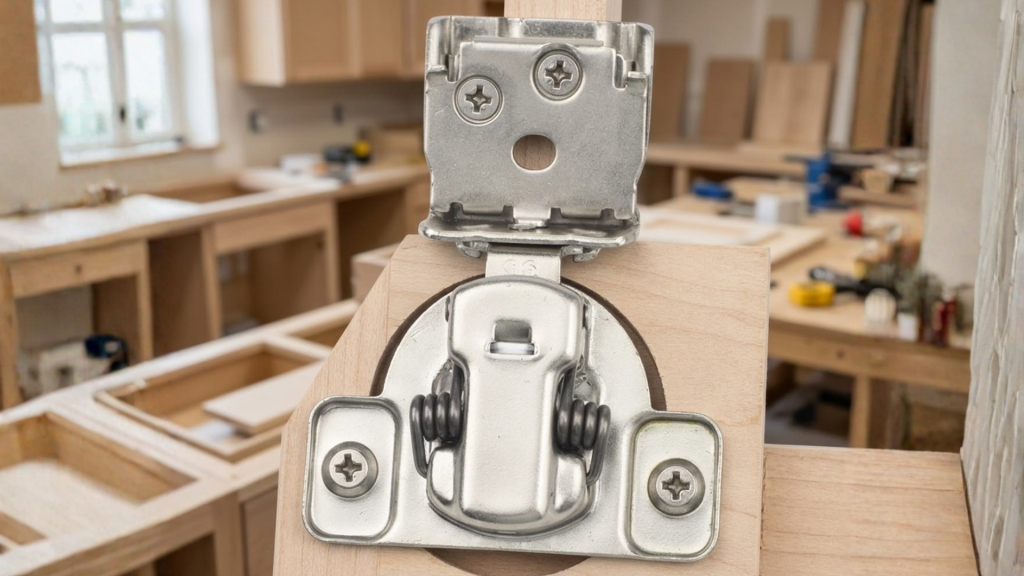
This isn’t a shutter type on its own, it’s an upgrade you add to hinge, lift-up, or drawer units. A soft-close hinge slows the door down in the last few inches, so it settles shut instead of banging.
It costs more per unit, typically ₹150-400 extra per hinge depending on the brand. For a kitchen with kids or elderly family members, that extra cost pays off in noise reduction and fewer pinched fingers.
Pick this for: any cabinet type, especially units near a dining area or bedroom wall where noise carries.
4. Roller Shutters
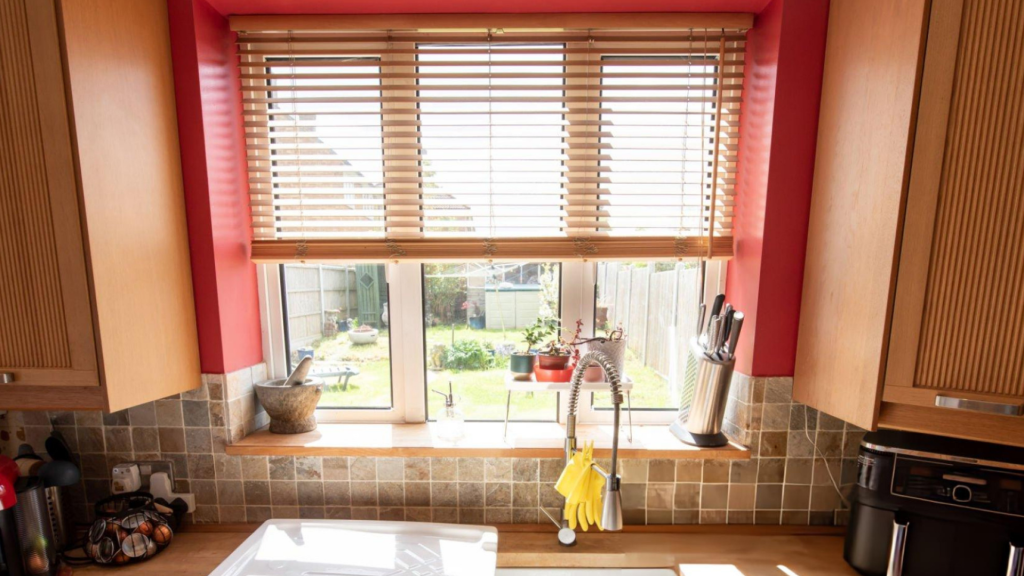
Roller shutters curl up into a compact cylinder at the top of the cabinet, similar to a tambour door. They’re the go-to choice for appliance garages, the corner unit where your mixer, toaster, and kettle live.
The benefit is hiding daily-use appliances without a full swing door. The trade-off is a slightly segmented look when closed, and the mechanism needs more frequent cleaning since dust settles in the tracks.
Pick this for: appliance corners, breakfast counter design, anywhere you want small appliances out of sight fast.
5. Flap-up Shutters
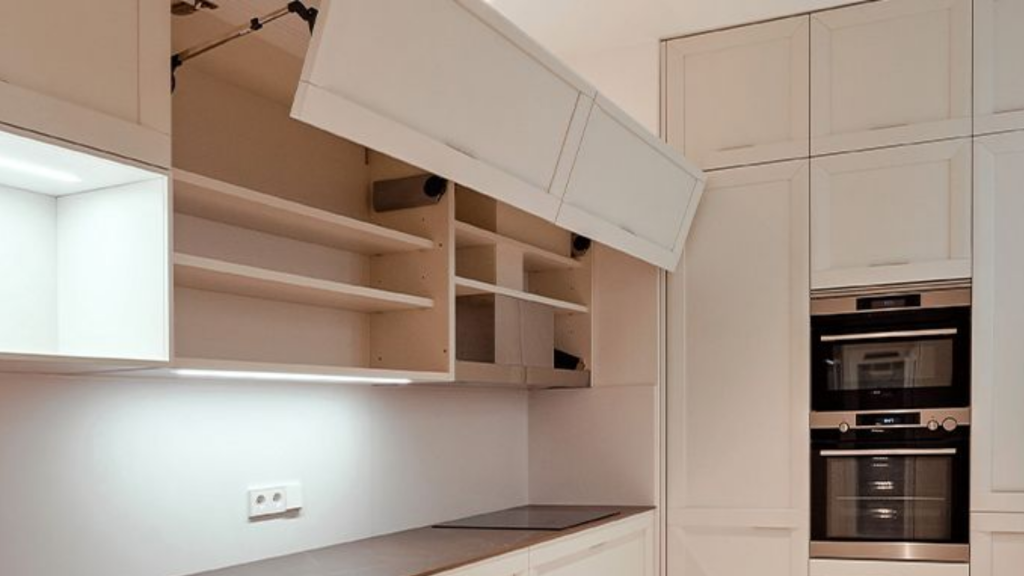
A flap-up panel flips upward like a lift-up shutter but on a shorter, single- or double-panel design. It works in tight wall units where a full lift-up mechanism doesn’t fit, common in kitchens with lower false ceilings.
Pick this for: compact wall units, kitchens with reduced ceiling height, spots where a lift-up unit’s arc won’t clear.
6. Self-closing (Retracting) Drawers
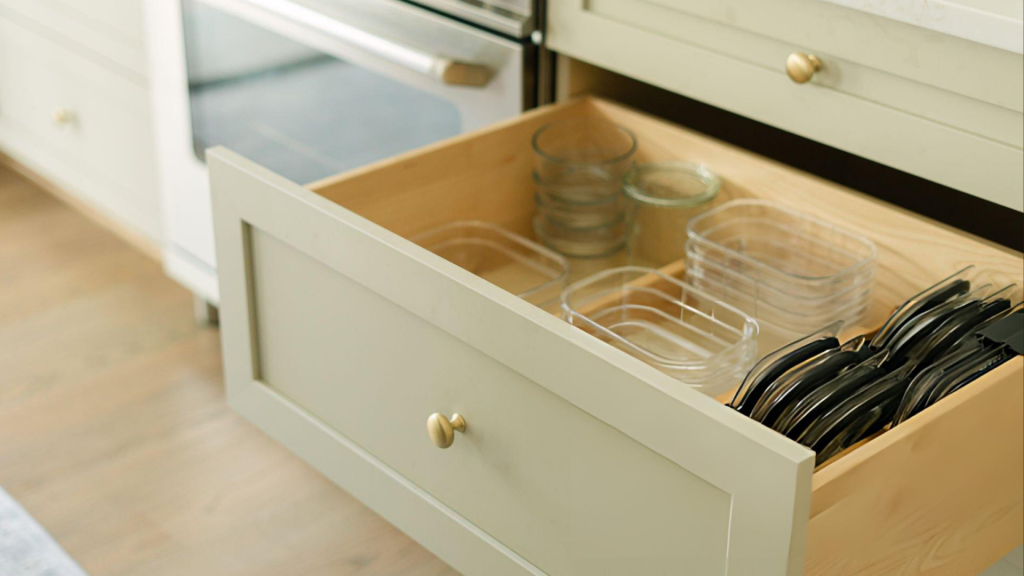
These drawers pull shut on their own once pushed within a few centimetres of closing. For base units that get opened dozens of times a day- cutlery, spices, chopping boards this saves real wear on the runners.
Pick this for: base drawers under the counter, high-frequency storage, kitchens where drawers get left open often.
#Read Also: Kitchen Storage Shelves Ideas for Indian Homes
What Are the Common Kitchen Shutter Mistakes Homeowners Make?
Here are the common kitchen shutter mistakes to avoid before finalising your design. The wrong shutter choice can affect how smoothly your kitchen works every day. From poor clearance to unsuitable mechanisms, small planning mistakes can cause bigger problems.
- Picking swing doors in a narrow kitchen. Measure your walkway width before locking the layout; anything under 900mm gets cramped fast with swing doors on both sides.
- Skipping soft-close to save on the quote. The savings look good on paper. Two years of banging cabinets and loose hinges cost more in repairs.
- Ignoring weight limits on lift-up units. Heavy pressure cookers and large steel containers don’t belong in a lift-up cabinet. Stick to lighter, everyday items.
- Not checking the hinge’s cycle rating. A hinge rated for 80,000 open-close cycles lasts years longer than an unrated one. Ask your designer for this number before signing off.
- Mixing too many mechanisms without a plan. Five different shutter types in one small kitchen look disjointed and complicate maintenance. Stick to two or three types matched to specific needs.
What Should You Check Before Finalising Your Kitchen Shutters?
Before finalising your kitchen shutters, check their size, mechanism and clearance. Make sure each shutter suits the cabinet location and how often you use it. Use this quick checklist to avoid costly changes and maintenance issues later.
- Measure clearance space in front of every planned swing door
- Confirm weight limits for any lift-up or flap-up units
- Ask for the hinge cycle rating in writing
- Budget separately for soft-close upgrades on high-use cabinets
- Match appliance garages to actual appliances you own, not hypothetical ones
- Check that overhead unit height works for the shortest person using the kitchen
How to Choose the Right Kitchen Shutter Type for Your Home
A kitchen you use every day deserves more than a good-looking laminate finish. The right shutter type, storage, lighting and layout can make the space easier to use and maintain for years. At Opalspace, we plan every kitchen around your family’s routine, available space and storage needs, so the design works as well as it looks.
From modular kitchens and wardrobes to living rooms, bedrooms and complete home interiors, Opalspace offers customised interior design solutions for homes across Delhi NCR. Whether you need a practical compact kitchen or a complete home makeover, our designers help you choose materials, layouts and finishes that suit your lifestyle and budget.
Planning your home interiors? Explore our kitchen, wardrobe and full-home interior design solutions with Opalspace.