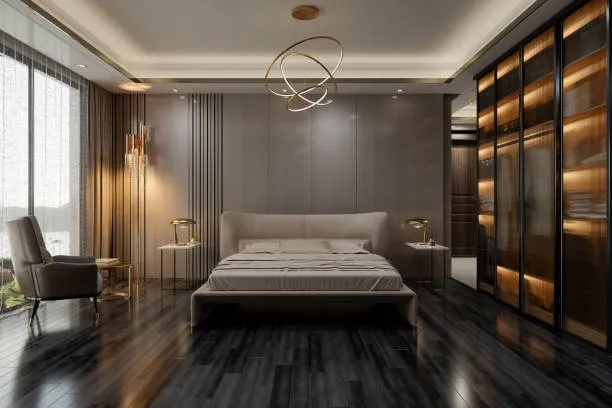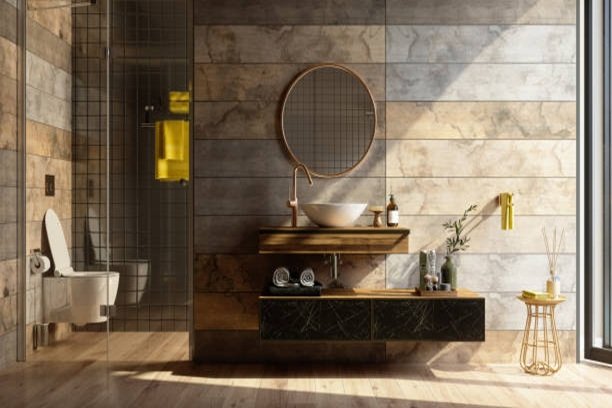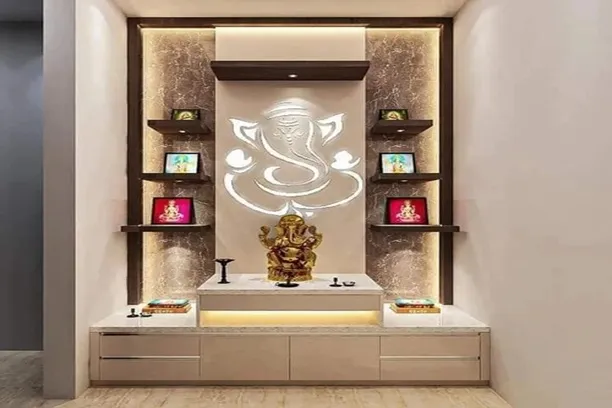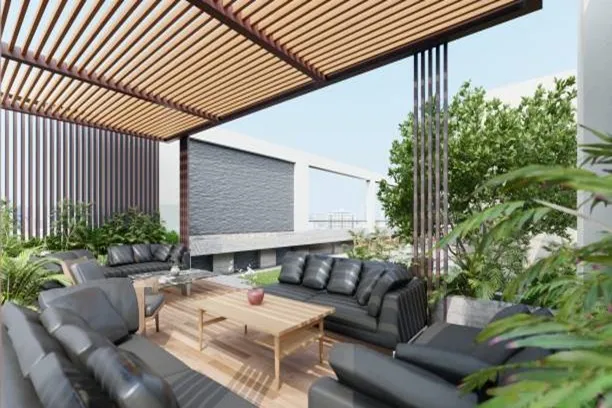
Fluted wall panels bring texture and depth to TV walls, living rooms, partitions, and other areas in Indian homes. This guide covers panel materials, designs, costs, maintenance, pros and cons, and tips for planning the right option.
Table of Contents
Fluted wall panels are an easy way to make simple walls look stylish in Indian homes. You can put them behind your TV, on a main wall in the living room, near the dining area, or to make a small partition. The material you choose is important. WPC, PVC, MDF, and real wood all have different prices, need different cleaning and care, and are good for different places. This blog will tell you about their designs, materials, price, and which one is best for where.
What Are Fluted Wall Panels?
Fluted wall panels are decorative wall panels that have thin lines or strips made on them. These lines can be vertical or horizontal, but in most Indian homes, people use vertical lines. You can get them in WPC, PVC, MDF, and wood. Which one you should use depends on how much water or dampness is in that room. How much money you want to spend and what kind of look you want.
What Are the Different Types of Fluted Wall Panels?
The material makes a major difference in the price, maintenance, and suitable location of a fluted wall panel.
1. WPC Fluted Wall Panels
WPC means wood-plastic composite. It is made by mixing wood dust and plastic. It looks like real wood but is stronger.
WPC fluted wall panels work well for living rooms, TV walls, and selected areas near kitchens. They are also a practical option when you want the appearance of wood but need easier maintenance.
2. PVC Fluted Wall Panels
PVC is a plastic-based material that is resistant to moisture and easy to clean. This makes PVC fluted wall panels useful in areas where humidity is a concern.
They can work in kitchens, bathrooms in suitable dry zones, and other areas where a moisture-resistant material is needed. PVC is also one of the more budget-friendly choices for fluted wall designs.
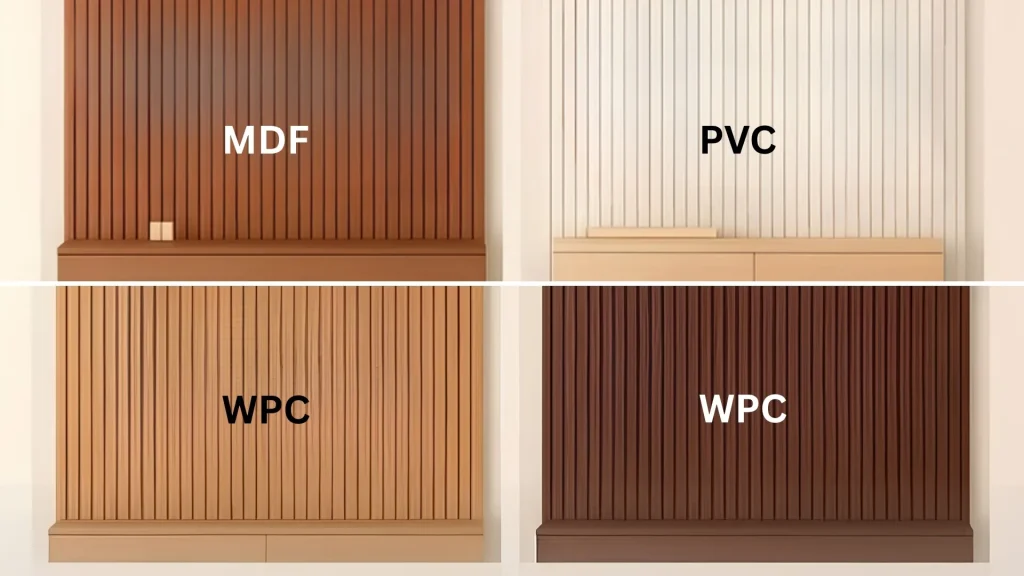
3. MDF Fluted Wall Panels
MDF is made from compressed wood fibres. It provides a smooth base for different finishes and works well in dry indoor areas.
MDF fluted panels can be used behind TV units, on living room walls, and in bedrooms. They should be kept away from areas with regular water exposure because moisture can cause the board to swell.
4. Wooden Fluted Wall Panels
Natural wood gives fluted wall panels a rich finish and a strong connection with other wooden elements in the room. Teak, oak, and other wood varieties can be used depending on the design and budget. Wooden panels cost more than many manufactured alternatives and need proper sealing and care, especially in humid conditions.
Which Fluted Wall Panel Material Should You Pick?
Match the material to the room’s moisture level first, then budget. Humid zones like kitchens and bathrooms need PVC or WPC. Dry living spaces and bedrooms take MDF or wood. Natural wood costs the most and needs the most upkeep, use it only on feature walls, not for full-room coverage.
| Material | Best For | Main Advantage | Watch Out For |
|---|---|---|---|
| WPC | Living rooms, TV walls | Moisture resistance and wood-like finish | Higher cost than basic PVC |
| PVC | Kitchens, selected bathroom areas | Moisture resistance and easy cleaning | Finish may look less premium |
| MDF | Dry living spaces and TV walls | Affordable and easy to finish | Avoid moisture |
| Wood | Premium feature walls | Natural finish | Higher cost and maintenance |
For areas exposed to humidity, PVC or WPC is a safer pick. Natural wood makes more sense when the budget allows for higher material and maintenance costs.
What Fluted Wall Panel Designs Work Best for Indian Homes?
The same panel can look very different depending on how you use it. Here are some practical fluted wall panel designs for Indian homes.
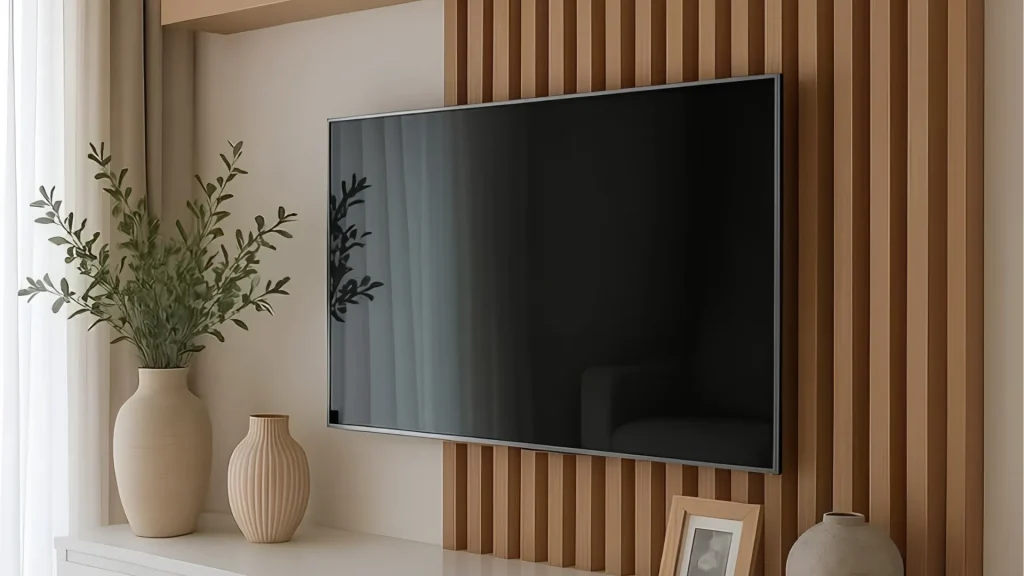
1. Fluted TV Wall Design
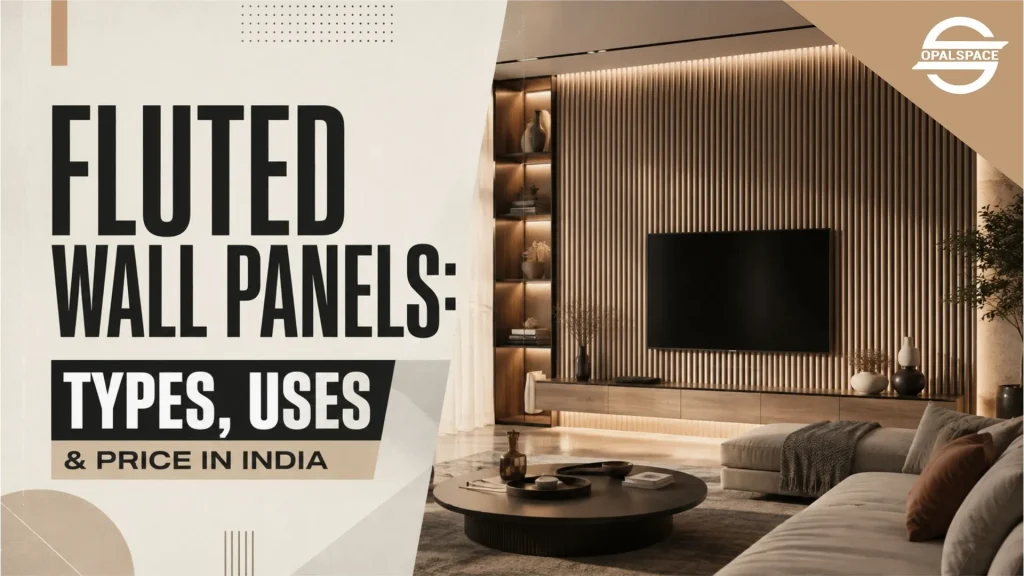
A fluted TV wall is one of the most common applications. You can use the panels behind the television and combine them with a floating cabinet, shelves, or a simple console. You don’t have to cover the entire wall.
A fluted section behind the TV can work as the main feature, with paint or another finish on the remaining area. Opalspace’s existing TV panel cost guide also lists TV units with fluted panels as a design option, with the cost changing based on size, material, storage, and other details.
2. Fluted Living Room Wall
A fluted panel would work as an accent wall in the living room behind the sofa or on another prominent wall in the living room. For a small room, using the panels on one section rather than the entire wall can keep the design lighter. Vertical grooves can also draw the eye upward.
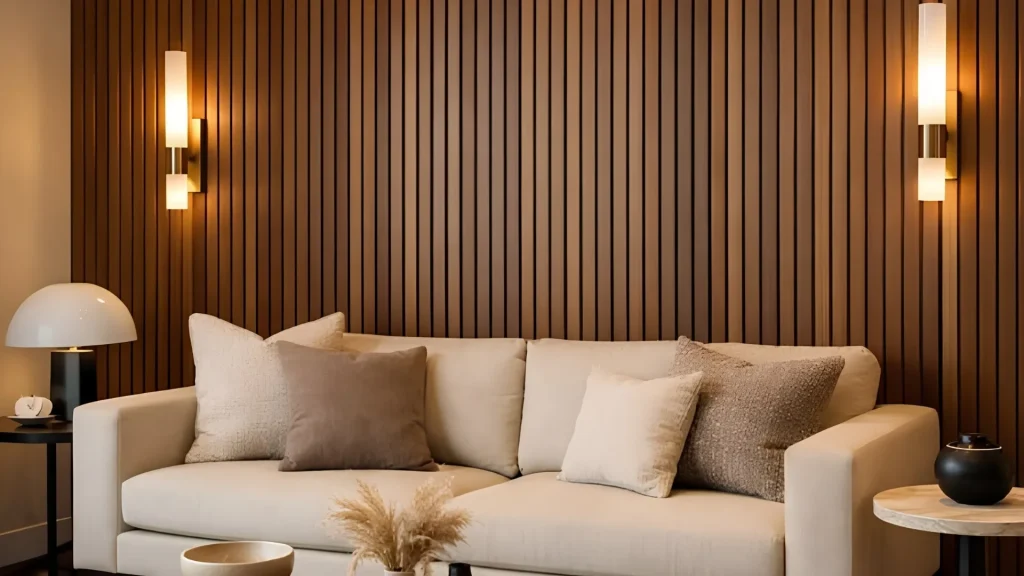
3. Fluted Wall with Wood Finish
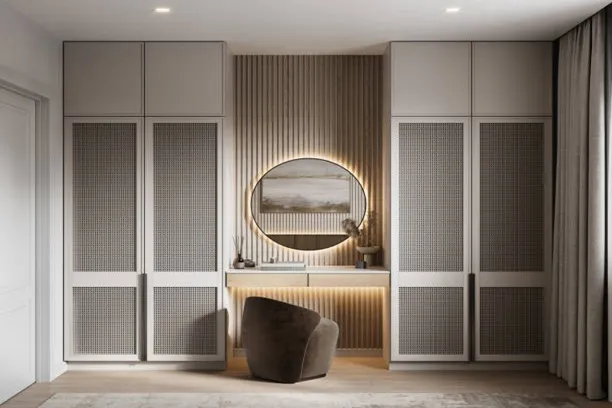
For a luxury home interior look, a wood-finish panel can work well with premium furniture, veneer surfaces, and warm lighting. Keep the panel limited to one wall so the room does not look too busy.
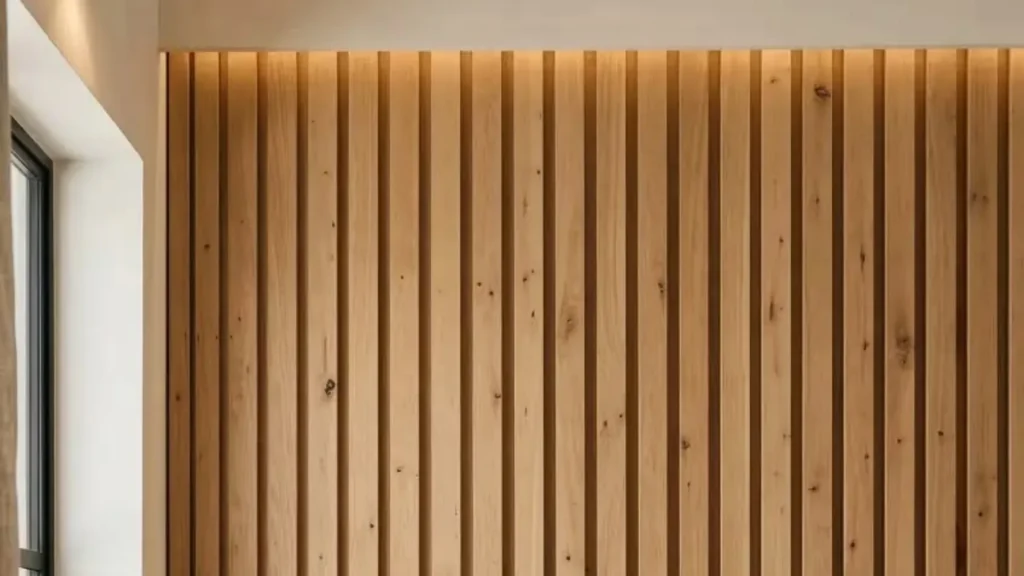
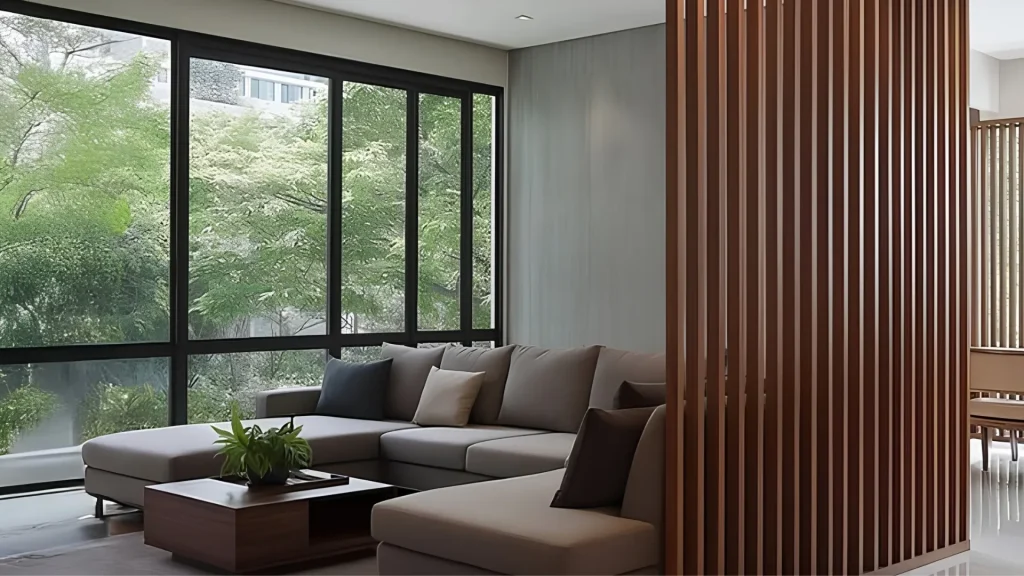
4. Fluted Wall as a Partial Divider
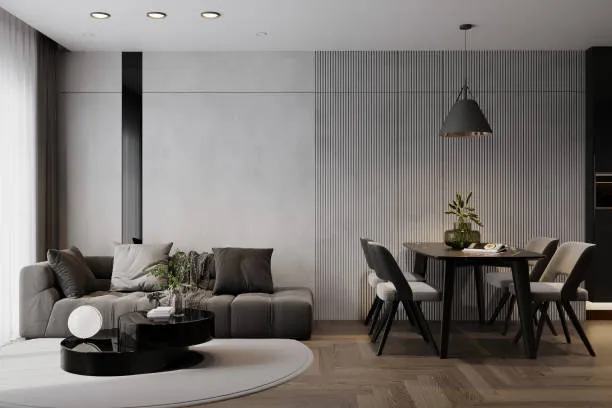
Fluted panels can also mark the boundary between two areas. For example, a partial fluted partition can separate the living and dining areas without closing the space completely. This works particularly well in open-plan apartments.
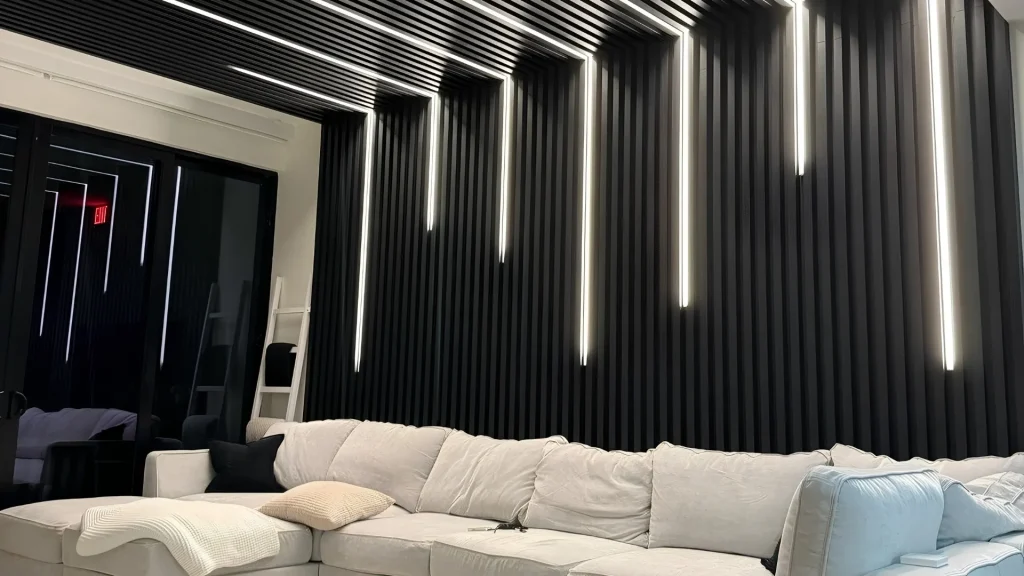
5. Fluted Wall with Lighting
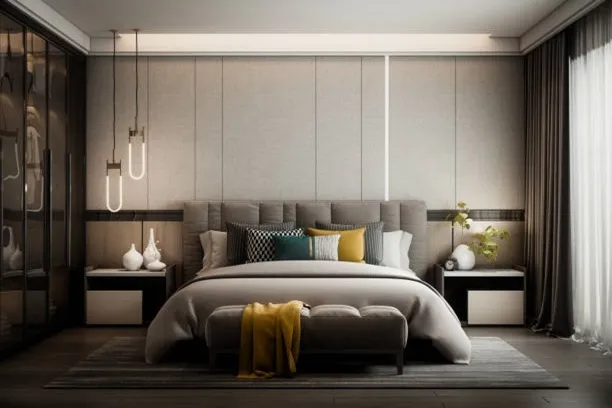
Lighting can make the grooves more noticeable by creating shadows across the panel. LED strips behind a TV unit or carefully placed lights can highlight the vertical lines. Keep the lighting limited to key areas rather than covering every groove with lights.
How Much Do Fluted Wall Panels Cost in India?
Fluted wall panel cost per sq ft changes with material, thickness, finish, panel size, and installation complexity. As a broad planning range, PVC panels start around ₹120–₹280 per sq ft, and MDF panels run roughly ₹250–₹550 per sq ft. WPC panels are around ₹250–₹600 per sq ft, and wooden fluted panels around ₹500–₹1,200+ per sq ft. These are approximate installed ranges and vary by brand, finish, and project scope.
For a complete wall, remember that the panel itself is only one part of the budget. Your final cost can also include:
- Wall preparation
- Base framework
- Panel installation
- Edge finishing
- Electrical work
- LED lighting
- TV mounting
- Storage or cabinetry
Other finishes used alongside the panels. For example, Opalspace’s Greater Noida living-room cost guide places fluted wood and laminate/MDF wall panelling at roughly ₹40,000–₹1.2 lakh, depending on the project.

How Do You Maintain Fluted Wall Panels?
Deeper grooves collect more dust than shallow ones, so clean fluted panels weekly with a soft microfiber cloth or a vacuum’s brush attachment. PVC and WPC only need a damp cloth wipe-down. MDF and natural wood are different, keep them away from standing moisture, wipe spills immediately, and skip abrasive cleaners on all four materials since they scratch the grooved surface.
What Are the Pros and Cons of Fluted Wall Panels?
Before you install a fluted wall panel, look at the practical side as well as the design.
Pros:
- Brings texture to a plain wall
- Works with modern and simple interiors
- Available in several materials
- Can be used on TV walls and feature walls
- Vertical grooves can draw attention upward
- Can be combined with paint, laminate, and veneer
- Some materials have good moisture resistance
Cons:
- Deep grooves can collect dust
- Some materials are unsuitable for damp areas
- Natural wood needs more care
- Full-wall installation can increase the budget
- Damaged individual sections may be harder to replace depending on the installation
Where Should You Avoid Fluted Wall Panels?
Match the panel material to the room’s conditions. Skip MDF and untreated wood in bathrooms, laundry areas, or anywhere with regular water contact. Moisture makes MDF swell and untreated wood warp. A moisture-resistant panel isn’t a waterproofing layer, the wall still needs proper waterproofing underneath in wet areas. Panels on a wall with direct sun for several hours a day will fade or shift colour over 1–2 years, more with darker finishes. Light-toned WPC or PVC holds colour longer than dark wood veneers.
How Should You Plan a Fluted Wall Panel?
- Start with the wall and the purpose of the panel rather than the design alone.
- First, measure the wall area. Then decide if you need full-wall coverage or a smaller feature section.
- Next, select the material based on the room and your budget.
If the panel is part of a full home interior project, plan it along with the TV unit, storage, lighting, and other wall finishes. This helps you keep the materials and finishes consistent across the home. A Fluted panel already has a repeated pattern, so simpler furniture and fewer competing wall treatments can keep the room balanced.
Ready to Design Your Wall with Opalspace?
Fluted panels work best for wall designing when the material, panel coverage, and lighting are planned together, not added as an afterthought once the TV unit or storage is already finalized.
Opalspace’s interior design team plans a complete fluted wall design for your full home interiors alongside your TV unit, storage, and lighting in one layout, so the finishes match instead of competing. Book a free consultation and get a material recommendation and cost estimate based on your room’s size and light.