
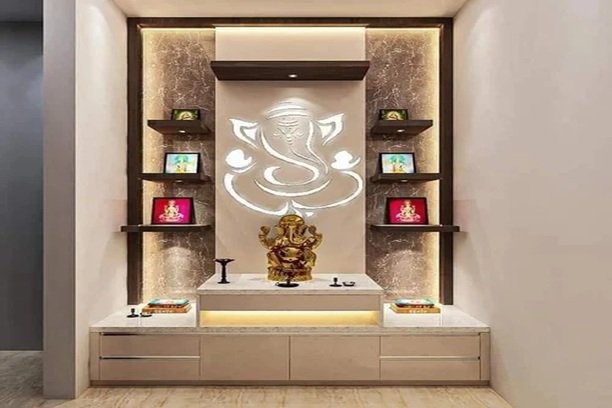
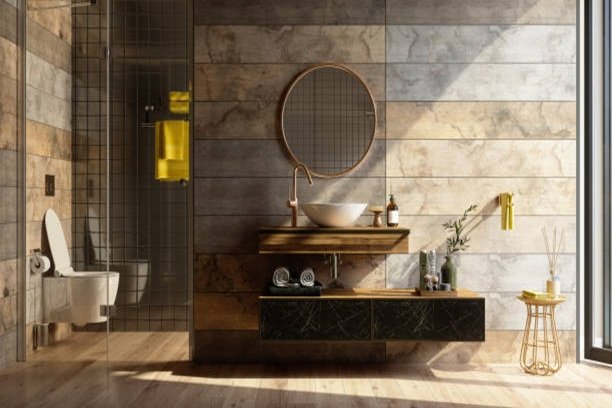
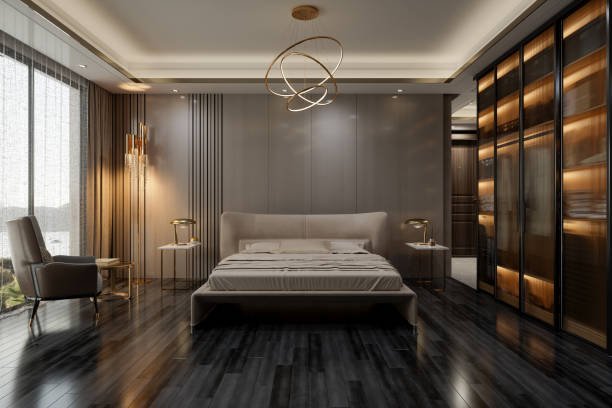
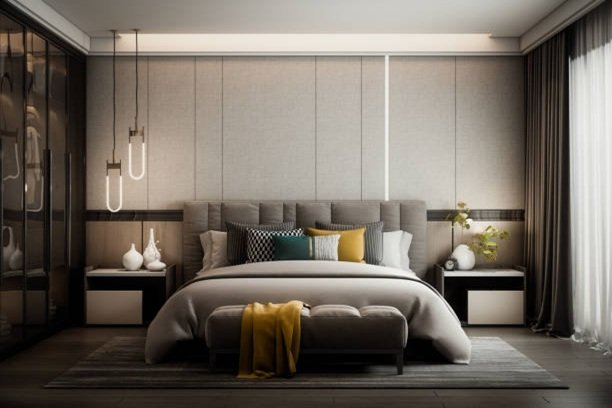
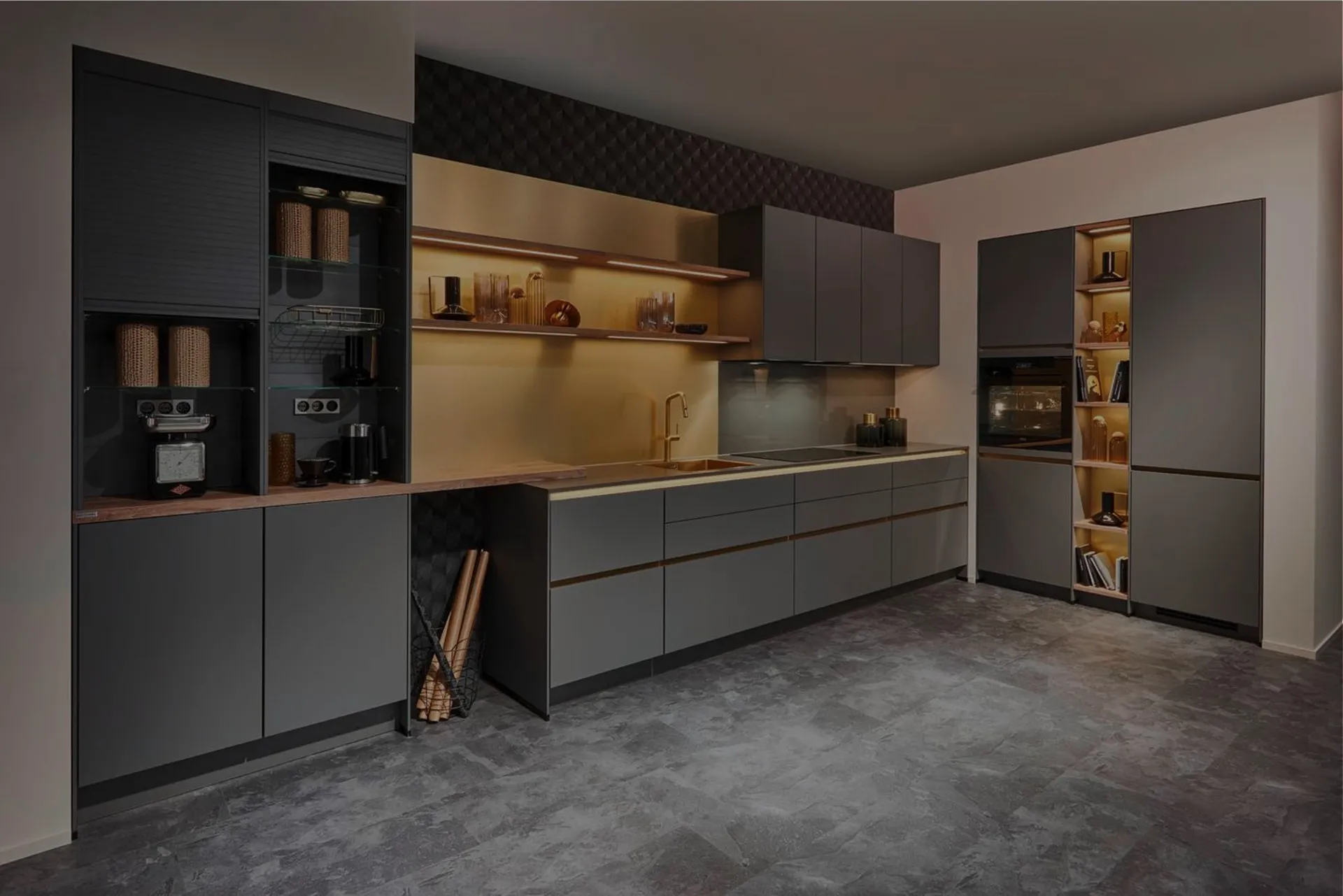
"Let us take you to the kitchen of your dreams, designed to inspire style in every corner. Raise your cooking experience to the next level with designs crafted for beauty, efficiency, and luxury."
Explore Our Kitchen Selections
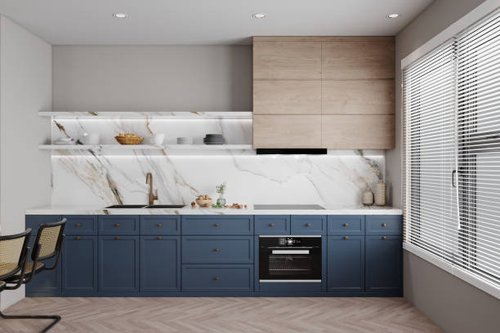
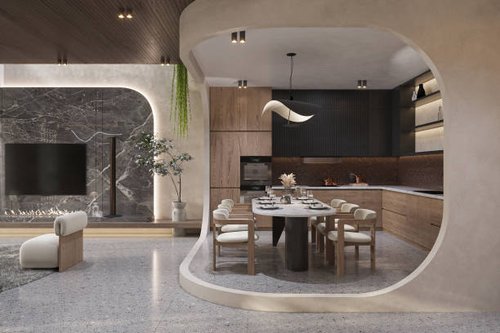
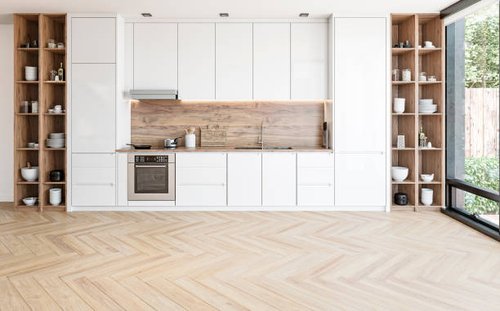
Opalspace provides everything you need, from simple upgrades to complete transformations, making kitchen renovations easy, affordable, and suited to every taste.
We Listen First. Design Later
Our modular kitchen designs respond to the sensibility of Indian homes. We put together design in order, and acknowledge an understanding of how you inhabit your kitchens. We observe how you move around the space, where your hands come to rest, and what must always be within reach.
Because what surrounds you each day is meant to be in tune with the life it holds.
Why Modular Kitchen?
If you want to make the most out of the restricted kitchen space, want it to get cleaned only in a swipe, and prefer a setup to suit your storage needs and working style, you definitely need a Modular Kitchen setup.
Modular kitchen designs are popular for a reason. They save space, improve everyday functionality, and provide a flawless, organized look which is made in heaven for modern homes and lifestyles.
 Feature |
 Modular Kitchen |
 Semi Modular Kitchen |
 Traditional Kitchen |
|---|---|---|---|
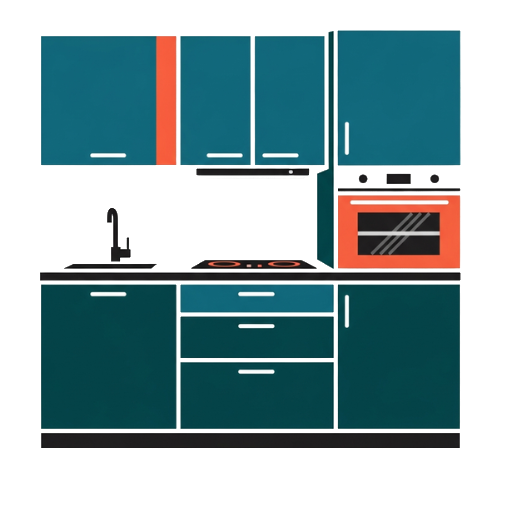
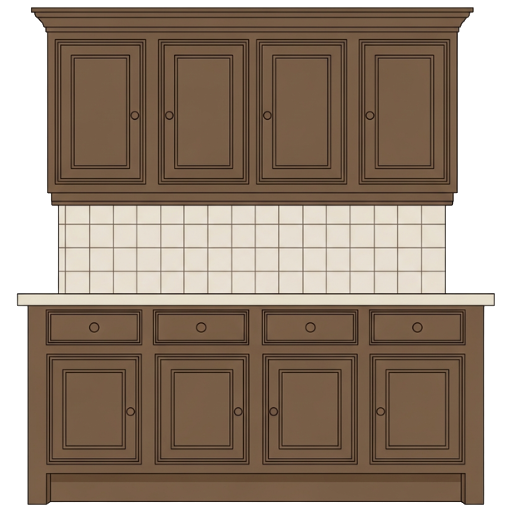
| Structure | Built in factories, designed to save space, complement modern lifestyle. | Built around old structures, limited flexibility, not fully space-optimised. | Constructed manually on-site, limited design freedom, bulky layout. |
| Ease of Design | Planned by professionals, designed with latest tech & 3D visuals. | Built on-site by carpenters, without design tools or visual planning. | Based on manual planning and carpenter’s interpretation, no digital preview. |
| Installation | Readymade parts, easy to assemble, move, or dismantle anytime. | Fixed in place, changes later mean major work or breakage. | Rigid build, cannot be moved or altered without structural damage. |
| Finish & Aesthetics | Factory-made finish, sharp detailing, uniform look, contemporary color choices. | Mixed finish quality, visible joints, uneven edges, limited styling. | Outdated appearance, dependent on carpenter skills, lacks consistency. |
| Customisation | Personalised storage, wide material choices, design preview in 3D. | Limited layout options, fixed design, no digital preview. | Minimal flexibility, basic material options, design defined on-site. |
| Space Optimization | Tailor-made units for corners, vertical storage, and compact layouts. | Mixed durability, dependent on civil structure. | Repairs often involve breaking and rebuilding. |
| Durability & Repairs | High-grade materials, modular parts easy to replace without disruption. | Parts depend on civil structure, repairs may involve extra work. | Quality varies; repairs often involve breaking and rebuilding. |
| Maintenance | Easy-to-remove parts, quick cleaning and low maintenance. | Harder to clean built-in structures. | Hard to reach edges and corners. |
| Cost | Tailored to budget with small margin of difference. | Costs less compared to full-modular kitchens. | Budget may shift during execution. |
| Warranty | Backed by 10-year warranty and replaceable units. | No guarantee or replaceable parts. | No guarantee or replaceable parts. |
A Close Look at Modular Kitchen Materials
Modern modular kitchens are built on the integrity of their material choices. These selections are central to the longevity and performance of kitchen systems, defining the structural backbone and the tactile elegance of the finished space.

MR Plywood
Perfect for basic setups
- Water Resistance Low
- Termite Resistance Moderate
- Strength Good
- Finishing Moderate
- Best For Dry Areas
- Lifespan 7–10 yrs
BWR Plywood
Balanced durability & value
- Water Resistance Moderate
- Termite Resistance High
- Strength Better Than MR
- Finishing Moderate
- Best For Semi-Wet Areas
- Lifespan 10–15 yrs

BWP Plywood
Perfect for basic setups
- Water Resistance High
- Termite Resistance High
- Strength Excellent
- Finishing High
- Best For Wet Zones
- Lifespan 15–20 yrs

HDHMR
Perfect for basic setups
- Water Resistance Moderate
- Termite Resistance High
- Strength High
- Finishing Smooth finish
- Best For Shutters & Carcass
- Lifespan 10–12 yrs
MDF
Perfect for basic setups
- Water Resistance Low
- Termite Resistance Low
- Strength Moderate
- Finishing Very Smooth Finish
- Best For Painted Shutters
- Lifespan 5–7 yrs
Particle Board
Perfect for basic setups
- Water Resistance Very Low
- Termite Resistance Low
- Strength Low
- Finishing Rough
- Best For Entry-Level Carcass
- Lifespan 3–5 yrs
Reasons to Choose Our Kitchen Designs
Know Your Kitchen Layout
Understanding a kitchen layout is the first step to planning a perfect kitchen. Your kitchen would have one of the following layouts.
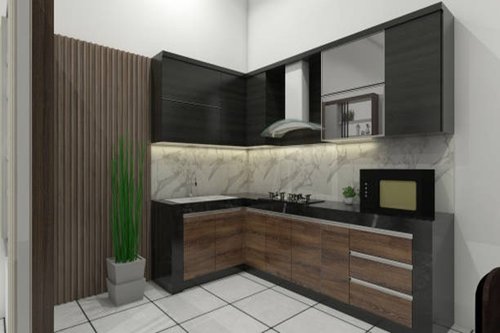
L-shaped Kitchen
The L-shaped kitchen design features two adjoining counters placed at a right angle. It’s one of the most flexible layouts that’s balanced, efficient, and well-suited to homes that require spacious movements in a contained frame.
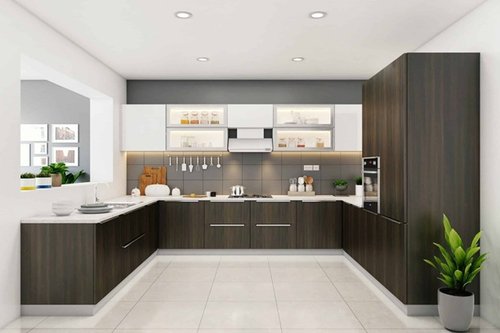
U-shaped Kitchen
This distinguished modular kitchen layout spans three sides of the room. Ideal for medium to large kitchens, it maximises counter reach. Its form fosters focus, and lends architectural structure to larger floor plans.
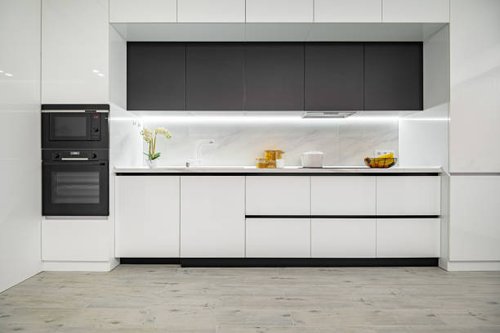
Straight Kitchen
This kitchen layout has a linear configuration built entirely along a wall and is best suitable for compact, studio apartments, or narrow spaces. Every element flows in a straight line to provide minimal look with cabinets arranged to promote ease and openness.
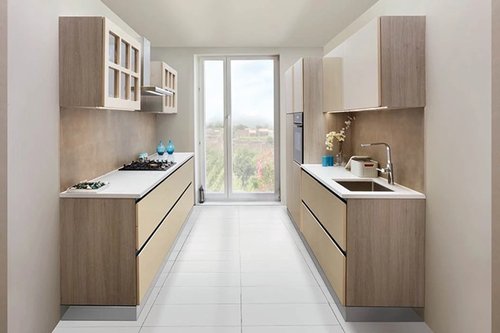
Parallel Kitchen
Also known as a galley kitchen, this layout has two parallel counters to give you a dedicated cooking zone. It provides a plenty of storage, poised balance of workflow and structure, and the dual cabinetry layout increases both storage capacity and working area.
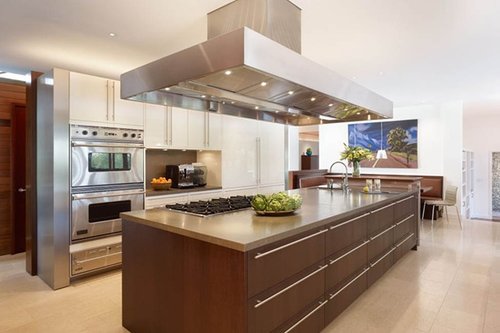
Island Kitchen
This layout introduces a sculptural centrepiece to anchor the room. It accentuates circulation, utility, and spatial clarity. It provides layered function through workspace and storage, becoming a considered core and architectural focal point within the kitchen’s volume.
Crafted for Durability & Quality
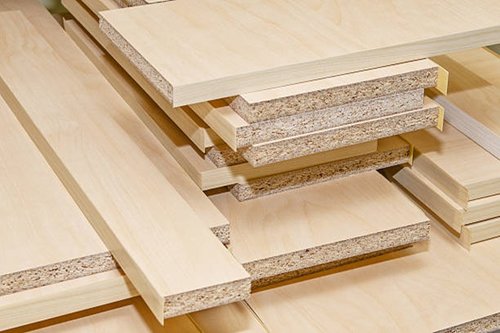
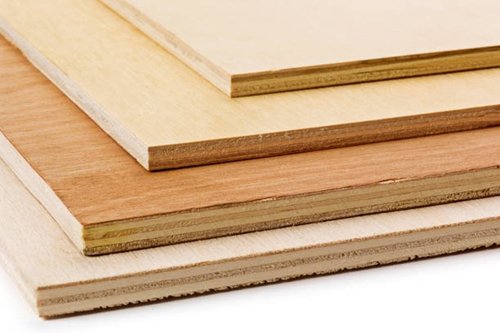
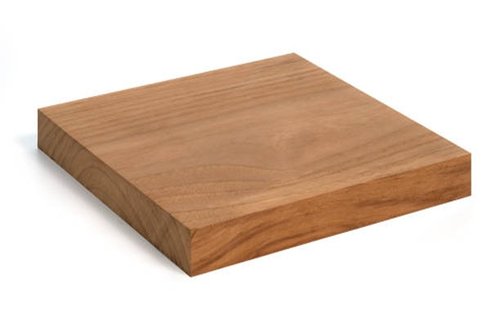
Choose Opalspace materials for a kitchen that withstands time, wear, and style changes effortlessly.
Aesthetics That Add Elegance
Enhance your kitchen with a unique look tailored to your preferences. Choose from various finishes, handles, and backsplashes to create your perfect kitchen aesthetic.
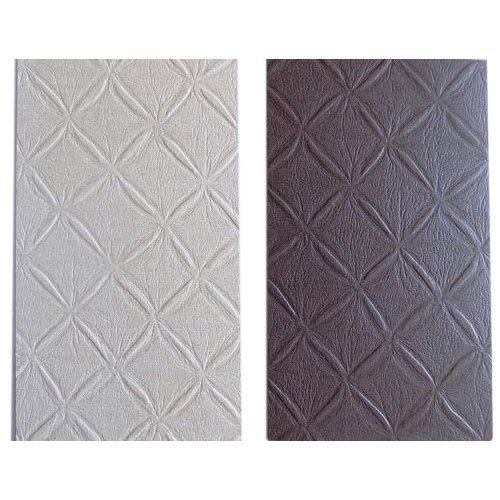
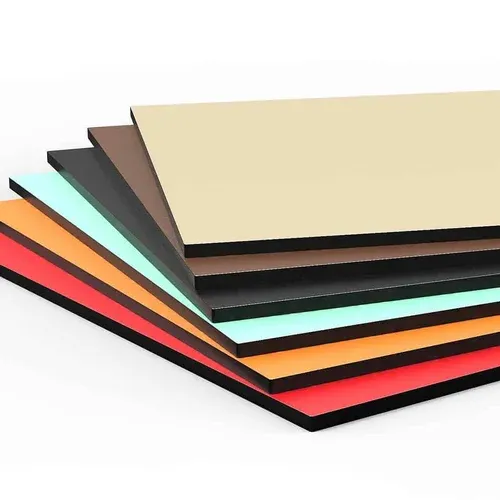
Elite Laminate
Blends modern trends with textured finishes for a sophisticated look.
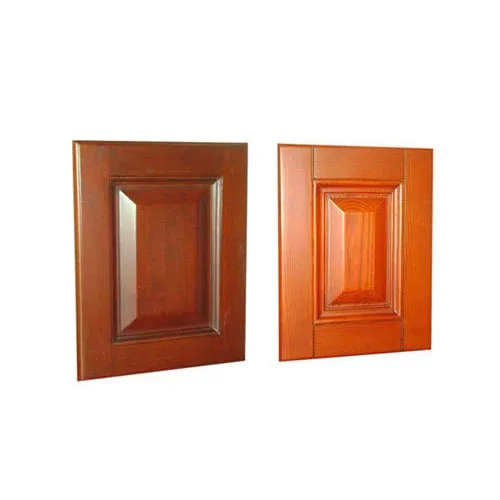
Classic Laminate
Offers resilience against scratches, moisture, and stains.
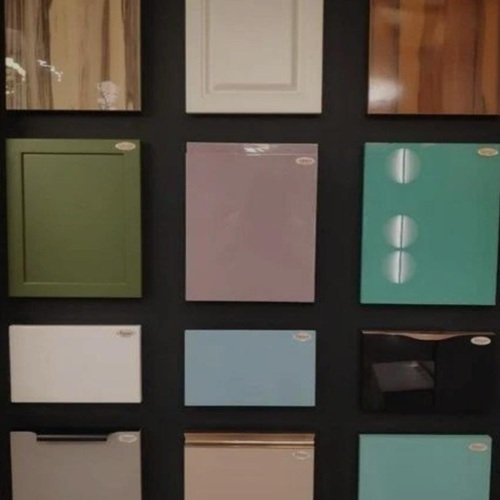
Membrane
Features grooves and a stain-resistant surface for a sleek design.
PU Finish
Available in matte and gloss, it provides a premium paint finish.
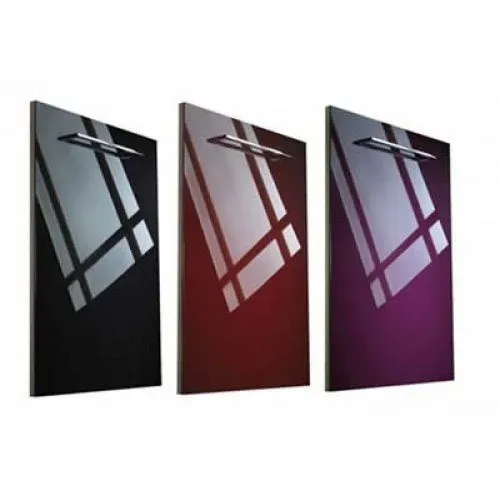
Acrylic
Boasts a mirror-like finish with UV stability, ideal for a vibrant look.
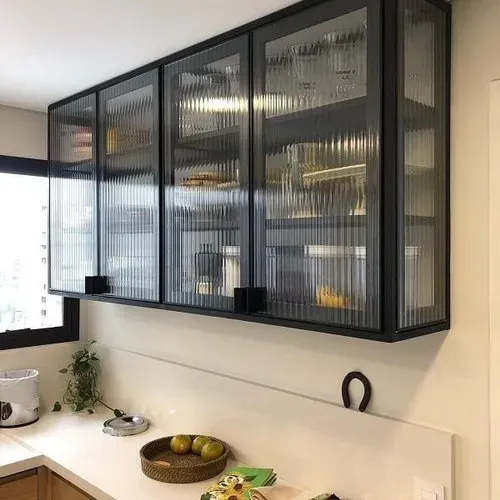
Glass
Durable and moisture-resistant, adding a touch of elegance.
Choose the Perfect Handle
Handles make a significant difference in both function and style. Discover our range of handles for an effortless blend of aesthetics and utility.
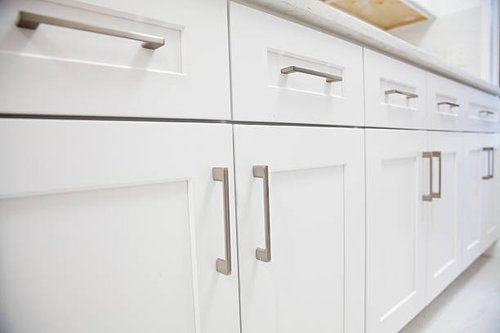
Regular Handles
Classic and low-maintenance, available in both linear and traditional designs.
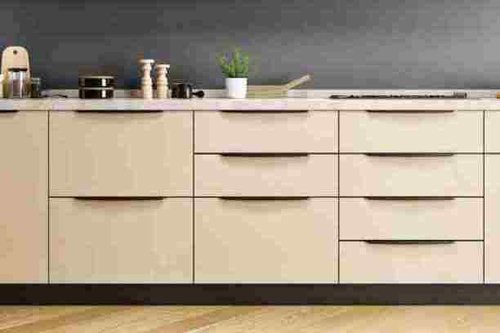
Edge Profile
Minimalistic design along the edge, creating a handle-less illusion.
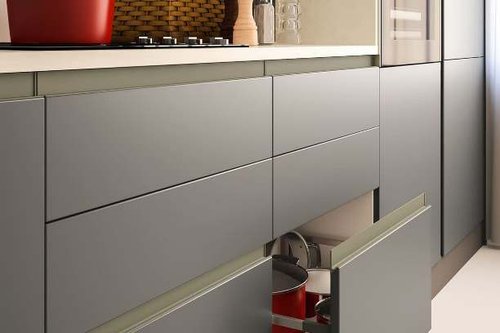
Gola
Attached seamlessly to the cabinet for a sleek and modern look.
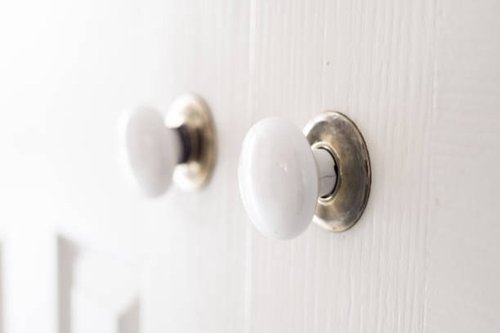
Knobs
Functional and easy to use, available in both round and square shapes.
Find Your Perfect Surface
The right countertop and backsplash can add aesthetic appeal and functionality to your kitchen.
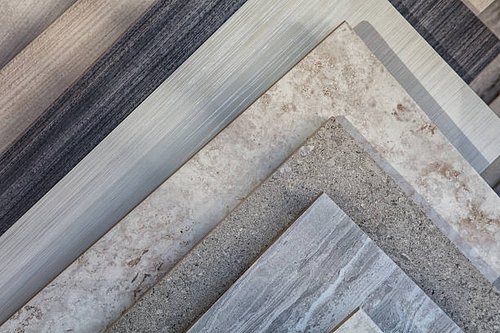
Granite
A durable, low-maintenance choice that adds a touch of luxury.
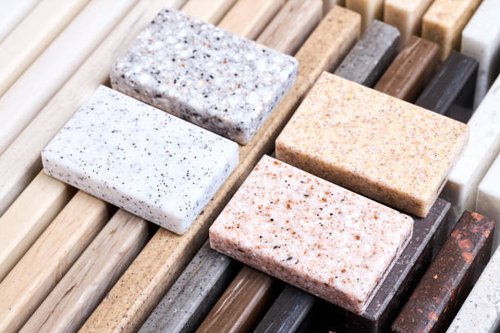
Quartz
Polished and resilient, available in various colors to suit any style.
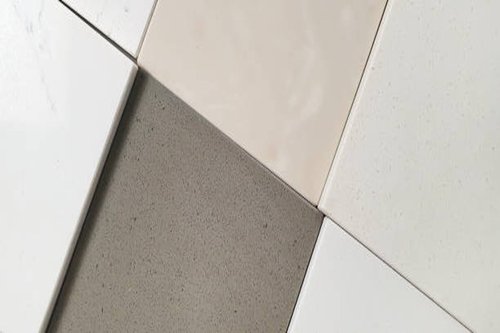
Solid Surfaces
Non-porous, stain-resistant, and easy to clean.
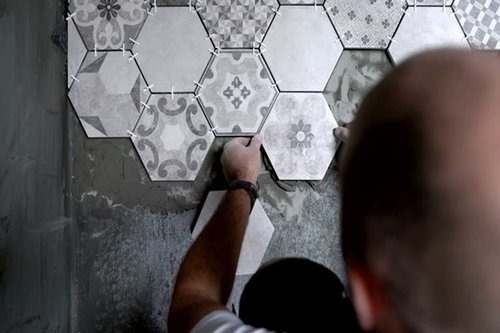
Tiles
Heat-resistant and easy to maintain, perfect for backsplashes.
Cabinets and Hardware
Discover the essential components of your kitchen's core, designed to enhance functionality and streamline your cooking experience.
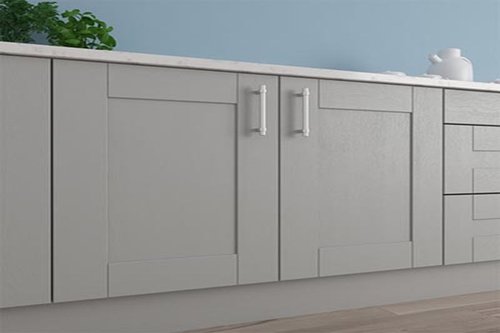
Base Units
Positioned on the floor and extending up to the countertop, providing foundational storage.
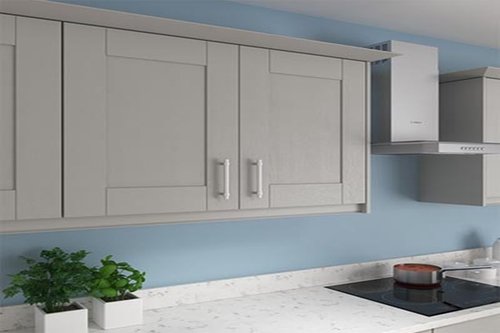
Wall Units
Mounted above the countertop, these units offer additional storage and reach up to 7 feet.
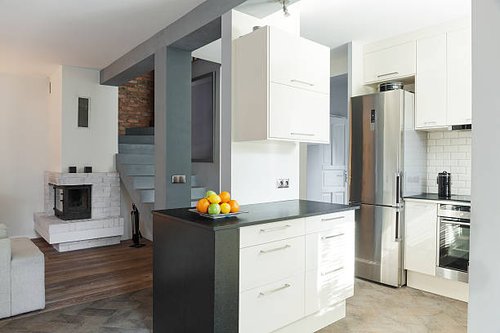
Semi-tall Units
Start at floor level and extend above the countertop, adding vertical storage.
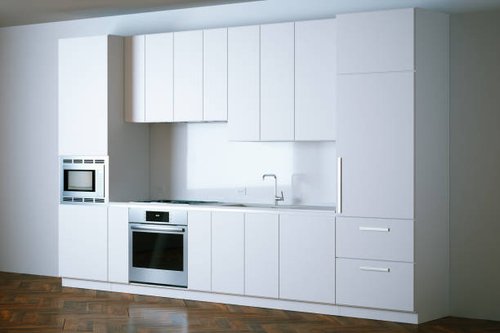
Tall Units
Perfect for maximizing storage space in your kitchen.
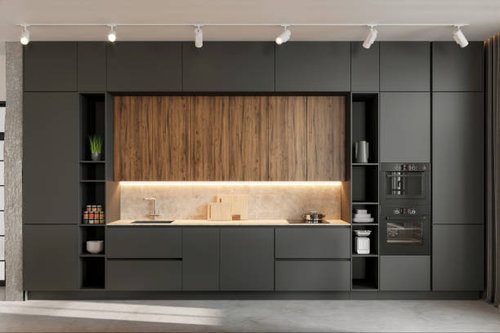
Lofts
Placed above wall units, ideal for storing items used less frequently.
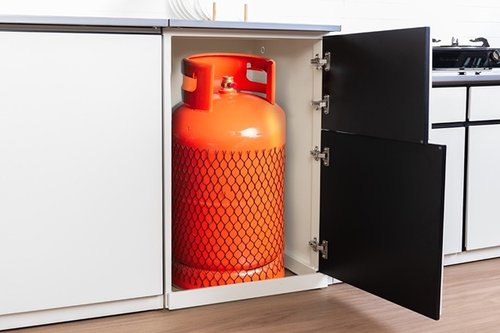
Gas Unit
Equipped with shutters and skirting for practical use.
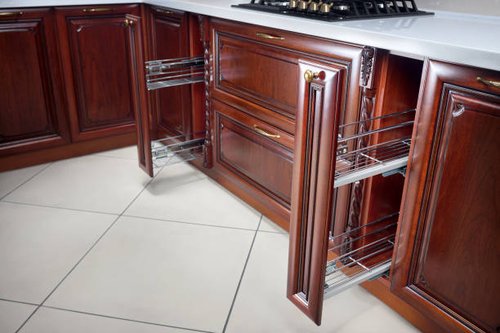
Spice Pull-outs
Three-tier storage, perfect for organizing spices.
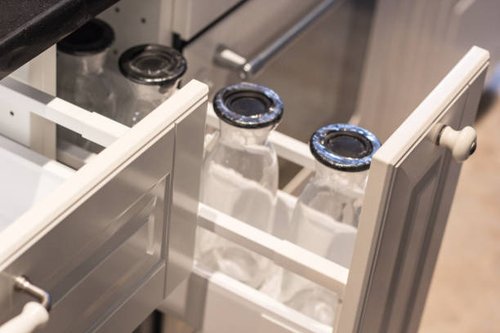
Bottle Pull-outs
Designed to hold larger bottles securely.
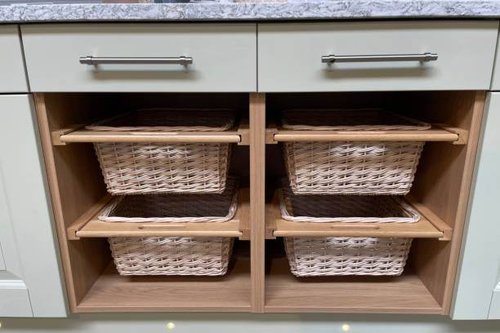
Wicker Baskets
Store fresh produce like vegetables efficiently.
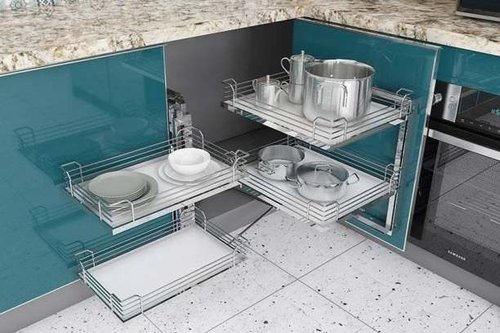
Single Shutter Base Unit
Great for storing utensils conveniently.
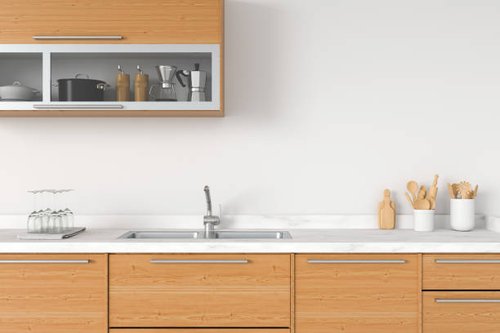
Wall Storage Unit
Offers removable shelves to maximize storage potential.
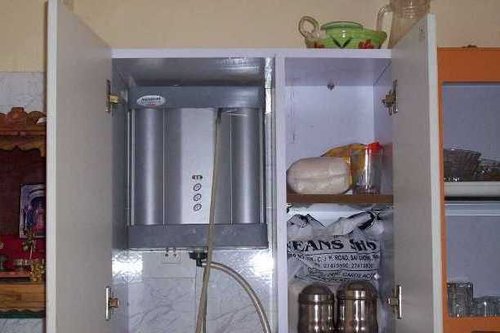
Wall RO Unit
Suitable for integrating RO water purifiers seamlessly.
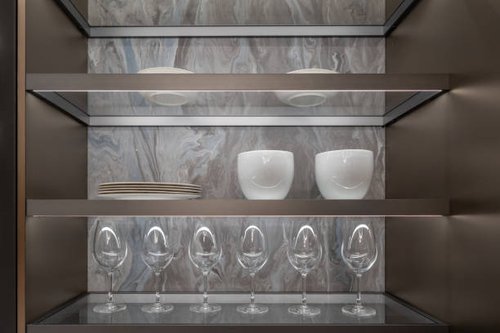
Glass and Plate Unit
Provides space for crockery with a drip tray to avoid water spills.
Appliances
Equip your kitchen with the must-have appliances that make cooking easier and more efficient, boosting your kitchen's functionality.
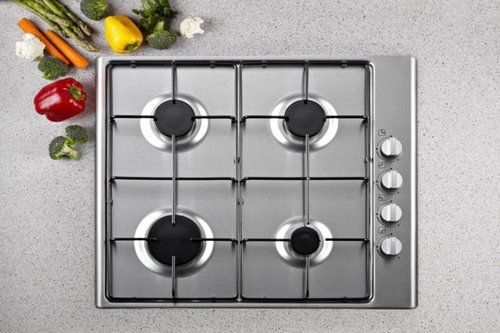
Hobs
Available in multiple styles to suit your cooking preferences.
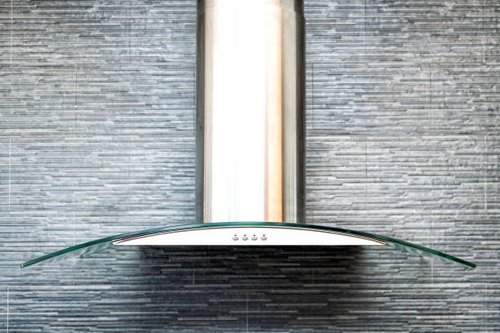
Chimney
Efficiently removes odors and smoke, keeping your kitchen fresh.
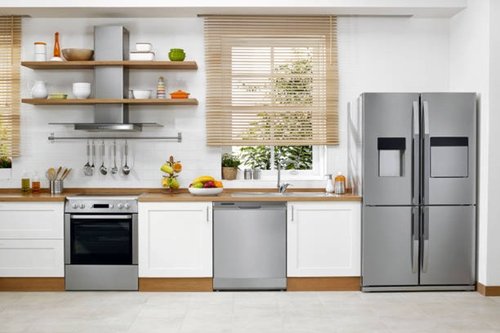
Other Appliances
Includes microwave ovens, dishwashers, and wine chillers.
Sink and Faucets
Choose the right sinks and faucets to facilitate washing in a kitchen designed to be effective, functional, and stylish.
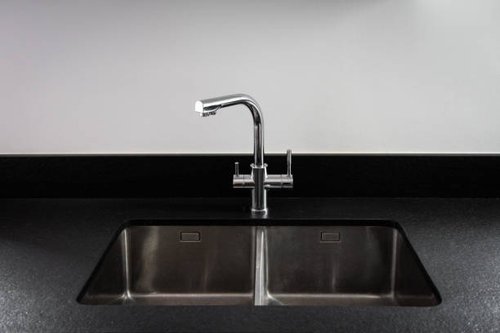
Single Bowl Sink
Budget-friendly and ideal for washing large items like pots.
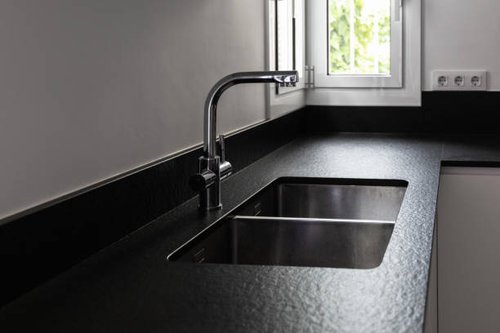
Double Bowl Sink
Versatile for food prep and drying utensils.
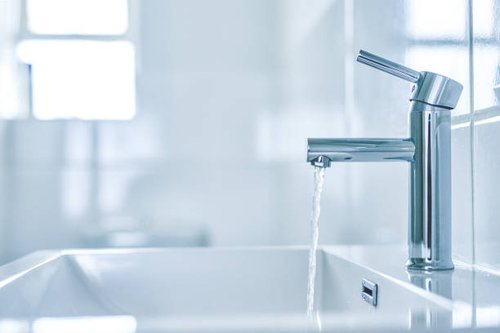
Faucets
Provides hot and cold water options and comes in various designs.
Everything you need to know
A modular kitchen comprises factory-made modules, such as cabinets, drawers, and shelves, assembled on-site into a coherent design. These standardized units offer customization, consistent quality, and reduced error potential compared to fully-custom carpentry.
With modular kitchens, you get precise manufacturing quality, faster installation, better economy of materials (plywood, laminates), and easier maintenance. The built-in design makes it future-proof, easy to update, and highly functional.
Standard layouts include straight, L-shaped, U-shaped, parallel (galley), island, and peninsula (G-shaped). The choice depends on space, workflow (work triangle), and living patterns.
Once designs are finalized, most modular kitchens install within 1–2 weeks. Larger or custom projects may stretch to 30–60 days.
Carcasses often use BWR or HDHMR plywood. Shutters use laminates, acrylics, or PU-painted MDF. Countertops favour quartz or granite due to durability.
The cost depends on materials, layout complexity, hardware, custom accessories, smart appliance integration, and brand reputation. Entry-level setups start around ₹2 lakh, going much higher.
Yes, one of their major advantages is the ability to disassemble and reassemble modules, offering flexibility for future moves or renovations.
Efficient chimneys or exhaust systems positioned near the hob, supported by adequate windows, help eliminate smoke and maintain air quality. Lighting under cabinets ensures well-illuminated surfaces.
Popular add-ons include pull-out drawers, magic corners, lazy susans, cutlery trays, and customized tall units to optimize usability and reduce clutter.
Very easy, smooth, factory-finished surfaces are simple to clean. Detachable modules support deeper cleaning. Regular care of hardware maintains long-term performance.
Absolutely. Smart lighting, connected appliances, and sensor-based storage systems can be integrated seamlessly into modular cabinetry.
Reputable brands often provide warranties ranging from 1 to 10 years on hardware and finishes, ensuring longevity and trust.
Yes, designs can incorporate features such as spice racks, thoughtful ventilation, and layouts optimized for Indian cooking routines while maintaining modern precision.
Quartz and granite offer durability and minimal maintenance, whereas marble is porous. Choose based on cooking habits and visual aesthetics.
Focus on vertical storage, compact layouts like L-shaped or parallel, and multifunctional units like foldable islands for maximum efficiency.
Soft-close hinges, push-to-open doors, and drawer slides with full-extension optimize comfort, reduce wear, and elevate luxury.
Yes, raising cabinets to the ceiling makes use of all vertical space, reduces dust traps, and maximizes storage.
Since modules are separate units, you can refresh finishes, shutters, or accessories without redesigning the whole kitchen.
With good-quality materials and maintenance, modular kitchens stay durable and relevant for 15–20 years, or longer, especially with hardware replacements.
Yes, planning for built-in ovens, dishwashers, and induction cooktops early ensures seamless cabinetry design and functionality.
Yes. Efficient placement of sink, stove, and refrigerator, in a 4–9 ft triangle, ensures ergonomic flow and optimized utility.
Absolutely. Combining matte and glossy laminates, or offsetting light and dark hues, adds visual depth while maintaining utility.
Yes, Sustainable materials (bamboo, HPL), low-VOC finishes, and energy-efficient appliances reduce environmental impact.
Avoid poor workflow planning, cramped layouts, insufficient lighting, and dusty gaps above cabinets, each can hamper functionality.
Start with precise measurements, desired workflow, ventilation and utility planning, material and accessory choices, and then align them to your budget and style objectives.
A semi-modular kitchen blends custom-built units with modular cabinets, offering flexibility and cost-efficiency when full modular setups aren’t feasible.
Best designs are defined by how they address workflow (work triangle), material longevity (plywood, laminates), visual coherence with the home, and functional ergonomics such as pull-outs, built-ins, and smart storage
Indian kitchen design in modular kitchen domain refers to layouts and
materials tailored to Indian cooking, spacious, durable, and easy to clean,
while accommodating cultural elements like spice storage, heavy-duty
ventilation, and multipurpose cookware.
Sources confirm modular kitchens in India are increasingly designed with
these priorities in mind: ample spice pull-outs, heat- and stain-resistant
surfaces, and smart layouts optimized for local needs.
Get Incredible Design Right Now!
At every stage, we supervise your project, managing all the details and coordinating with the builders.